Refresh Your Routine: Build a Plastic-Free Bathroom That Lasts

Today we explore plastic-free bathroom essentials and storage solutions, turning everyday routines into calmer, cleaner rituals. Expect durable materials, clever layouts, and easy maintenance tips, all tested in humid, real-life spaces. Join the conversation, ask questions, and share your best swap that made mornings smoother.

Materials That Outlast Plastic

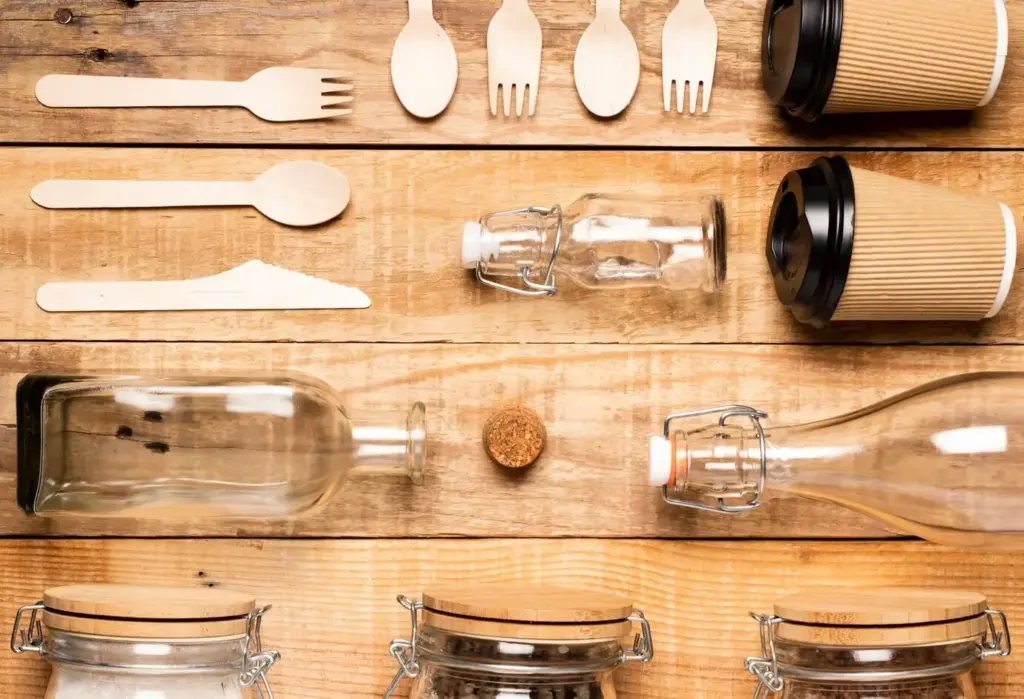
Choosing better materials is the fastest way to reduce waste while increasing durability. Glass, stainless steel, ceramic, hardwoods like beech and maple, cork, and natural fibers stand up to moisture and feel timeless. They age gracefully, can be repaired or recycled, and rarely absorb odors. We’ll compare strengths, highlight care tips, and share small stories from users who switched once and never looked back.

Glass, Steel, and Ceramic Dispensers

Refillable glass, stainless steel, and ceramic dispensers deliver a calm, consistent experience while avoiding brittle plastics and lingering smells. Opt for all-metal pumps or gravity pourers to reduce hidden micro-parts, and label clearly for easy refills. Keep an extra bottle clean and dry, ready for rotation. Share your favorite refill station or recipe, and tell us which viscosity pours most reliably for you.

Natural Fiber Brushes and Cloths

Swap petroleum-based bristles for tampico, sisal, coconut husk, or horsehair paired with beechwood handles. Linen and organic cotton cloths dry quickly and avoid that synthetic shine. Hang brushes bristle-down to shed water, and occasionally oil wooden handles. When worn out, compost natural components where facilities exist. Tell us how long your favorite brush lasts and what care routine made the difference.

Cork and Bamboo Trays

Cork and bamboo trays keep damp items elevated, allowing airflow beneath soap bars and bottles. Lightly finish bamboo with food-safe oil to resist splashes, and choose cork with tight granules for better longevity. Add grooves or slats to channel excess water away. If you DIY, share sizing that fits narrow sinks, plus your best method for non-slip feet without resorting to plastic.

Storage That Breathes and Stays Dry

Wall Rails and Hooks

Install stainless rails with S-hooks to suspend brushes, cloths, and loofahs where warm air moves naturally. Anchor into studs or use masonry hardware for tiled walls. Space hooks generously so items do not touch while drying. Consider a narrow, vertical rail beside the vanity for everyday linens. Share a photo of your layout, especially if you solved limited wall space elegantly.

Stackable Glass and Tins

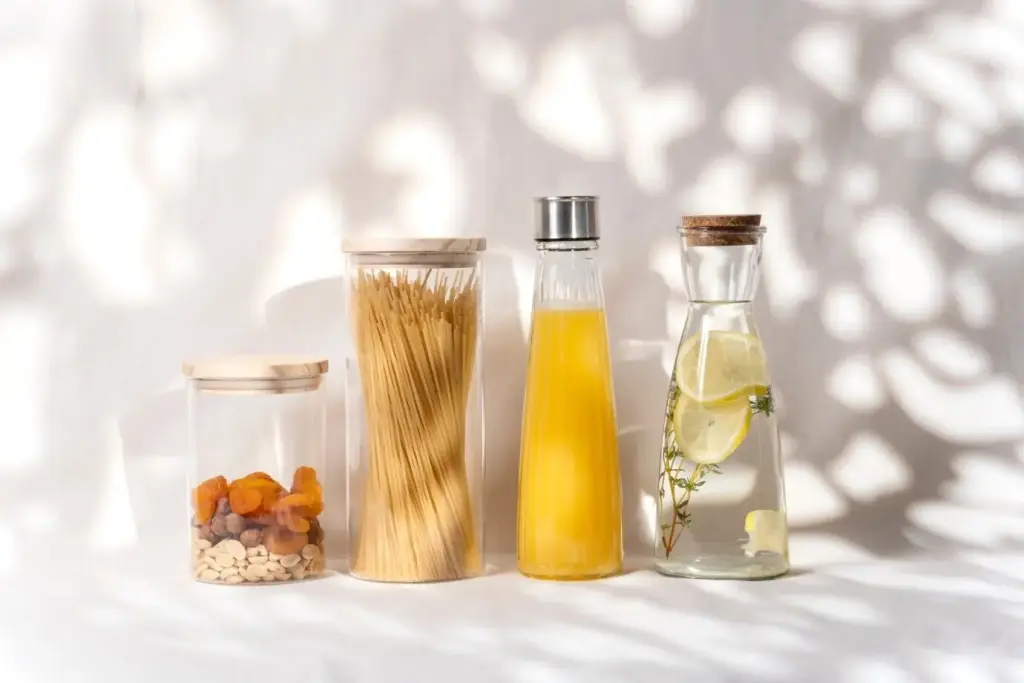
Clear glass jars and stainless tins make cotton rounds, soap ends, and bath salts visible and dust-free. Stack carefully to maintain stability, and use writable paper labels for easy swaps. Slip a tiny clay desiccant into one jar if humidity is persistent. Keep a consistent lid style for harmony. Tell us which sizes nest best in your drawers without rattling.

Under-Sink Crates and Wire Baskets

Trade flimsy totes for wood crates and powder-coated wire baskets that slide smoothly and welcome airflow. Measure the plumbing trap and valve clearances before purchasing, then choose heights that avoid bumping pipes. Create zones: cleaning, linens, refills, and tools. Add felt pads to protect cabinets. Report back with your best dimensions and whether a shallow front basket improved daily access.

Daily Essentials, Reimagined Without Plastic
Small routines add up. Bar soap, solid shampoo and conditioner, safety razors, silk floss, and toothpaste tablets slash packaging while simplifying shelves. Expect minor learning curves, then smoother mornings. We’ll address trade-offs, storage, and travel tips, plus honest notes on availability. Share what you tried first, what surprised you, and which swap you would recommend to a cautious friend.

Shaving with a Safety Razor

A stainless steel safety razor offers a close, consistent shave with blades that recycle easily in a sealed tin. Use short, gentle strokes, and let the weight do the work. Dry thoroughly, store blade-down, and replace blades before tugging occurs. Traveling? Wrap the head in a small cloth. Tell us how your first week compared to cartridge razors and ingrown hairs.

Solid Care for Hair and Skin

Shampoo and conditioner bars reduce clutter and packaging dramatically. Look for balanced surfactants, modest fragrance, and pH-appropriate formulas. Keep bars on a raised soap lift to dry fully between uses, and slice large bars into halves for travel. Solid lotion and body butter tins are equally tidy. Share which bar thrived in your climate and how many washes you consistently achieve.

Moisture, Mold, and Maintenance

Bathrooms challenge every material, so a steady rhythm of airflow and gentle cleaning matters. Focus on prevention: ventilation, spacing, quick squeegees, and absorbent towels. Avoid harsh chemicals that damage seals and woods. Keep a concise caddy of safe staples handy. Share your weekly checklist, favorite natural solutions, and the small habits that made the biggest difference in mold-prone corners.

Airflow Strategies That Actually Work
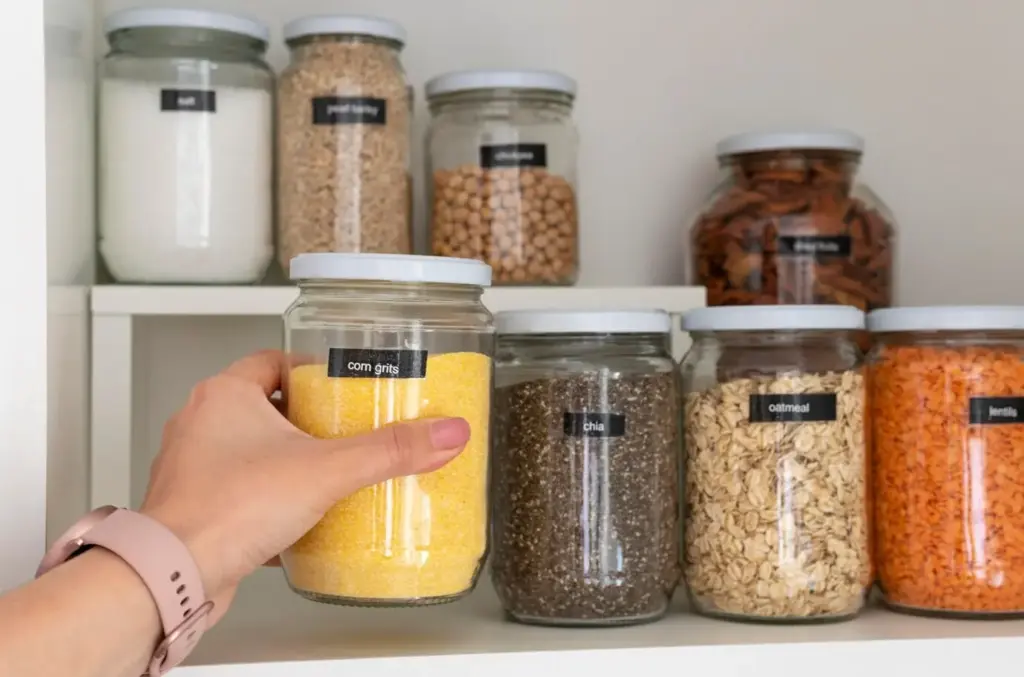
Run the exhaust fan for at least twenty minutes post-shower, or use a timer switch so you never forget. Crack a window for cross-breeze when weather allows, and keep doors open after bathing. Space items so surfaces can dry. Consider a diatomaceous stone mat for rapid drip control. Tell us which combination finally ended mirror fog and lingering humidity for you.

Drying Stations for Bars and Brushes

Create a defined drying zone with slatted cedar blocks, elevated soap decks, and a ventilated brush stand. Rotate bars occasionally to prevent cupping and cracking, and let washcloths rest unfolded for quicker evaporation. If space is tight, add a narrow shelf above the backsplash. Share your favorite soap lift design, and whether cedar, cork, or ceramic performed best over months.

A Gentle Cleaning Routine

Mix warm water with mild castile soap for regular wipe-downs, and use baking soda paste for grime on grout-safe areas. Avoid vinegar or acids on natural stone and certain grouts. Rinse thoroughly, then dry with a cotton towel. Polish stainless with a drop of oil on cloth, buffing lightly. Post your go-to recipe, safety notes, and before-and-after photos that motivate consistency.

Budget, Timing, and Real-Life Habits

{{SECTION_SUBTITLE}}
Five High-Impact First Steps
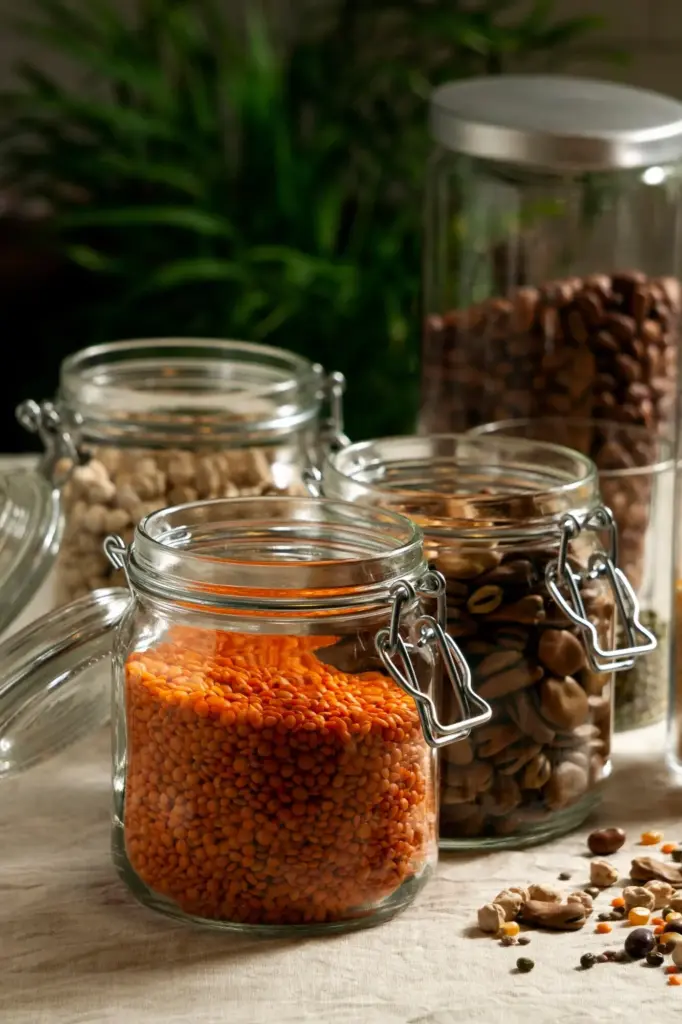
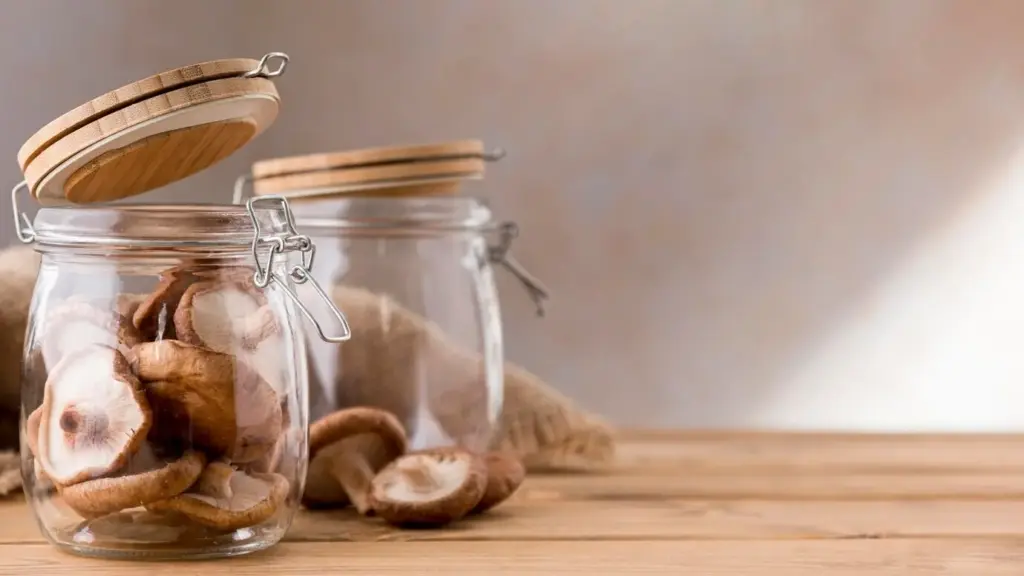
Begin with a solid soap on a raised deck, a sturdy safety razor, a refillable glass or steel dispenser, a simple system of two glass jars, and a wire shower caddy. These changes deliver immediate, visible relief from clutter. Document your baseline, then review after two weeks. Share what stuck, what felt awkward, and which step unexpectedly improved the morning rush.

Repurpose Before You Replace

Use jam jars for cotton rounds, candle vessels for bath salts, and tea tins for hair pins. Remove labels with a kitchen oil and baking soda paste, then wash thoroughly. Standardize lid colors for a unified look. Add paper labels for future flexibility. Post your most satisfying reuse hack, and tag a friend who would absolutely love a tidy drawer makeover.

Spa-Level Style With Low Waste

Simplicity looks luxurious when materials harmonize. Choose a calm palette, repeat textures, and keep counters light. Use plants that enjoy humidity, frosted glass for softness, and wooden accents for warmth. Keep labels minimal and clear. Design for all ages with easy reach points. Share a snapshot of your shelfie, and invite others to vote on their favorite calming detail.
Zimunexizunafe
Privacy Overview

This website uses cookies so that we can provide you with the best user experience possible. Cookie information is stored in your browser and performs functions such as recognising you when you return to our website and helping our team to understand which sections of the website you find most interesting and useful.