Plastic-Free Lunches That Taste Better and Waste Less

Today we explore Plastic-Free Lunches: Replacing Plastic in Meal Prep and Takeout, turning everyday meals into lighter, fresher experiences with fewer toxins and less trash. Expect realistic swaps, tested ideas, and stories from busy cooks who traded clamshells and film for durable, beautiful, reusable solutions that actually fit modern schedules, tight budgets, and flavorful cravings. Join the conversation, ask questions, and share your own wins so our community keeps evolving together.

Smart Containers for Everyday Meals

Reimagining the lunchbox starts with materials that respect your food and the planet. Stainless steel, tempered glass, and platinum-grade silicone keep flavors pure, resist stains, and endure years of heavy use. They stack neatly, invite portion control, and make salads crisp, soups aromatic, and leftovers surprisingly elegant. Let’s explore sizes, seals, and lids that truly prevent leaks and match how you cook, commute, and reheat.

Prep Like a Pro Without Plastic

Batching Grains and Proteins

Cook quinoa, rice, or farro once, then portion into reusable containers to anchor lunches all week. Add roasted chickpeas, tofu, or leftover chicken for effortless variety. Label by date to support first-in, first-out flow. A drizzle of vinaigrette in a tiny silicone cup keeps textures lively, while fresh herbs stored in a damp, reusable wrap deliver lift without supermarket rushes or wilted disappointment.

Sauces, Dressings, and Crunch

Cook quinoa, rice, or farro once, then portion into reusable containers to anchor lunches all week. Add roasted chickpeas, tofu, or leftover chicken for effortless variety. Label by date to support first-in, first-out flow. A drizzle of vinaigrette in a tiny silicone cup keeps textures lively, while fresh herbs stored in a damp, reusable wrap deliver lift without supermarket rushes or wilted disappointment.

Wraps and Covers That Breathe

Cook quinoa, rice, or farro once, then portion into reusable containers to anchor lunches all week. Add roasted chickpeas, tofu, or leftover chicken for effortless variety. Label by date to support first-in, first-out flow. A drizzle of vinaigrette in a tiny silicone cup keeps textures lively, while fresh herbs stored in a damp, reusable wrap deliver lift without supermarket rushes or wilted disappointment.

Takeout, Reimagined: Order, Carry, Enjoy
Ask Nicely, Ask Clearly

When placing orders, add a simple note: no utensils, no straws, no sauce packets, please. Ask whether they can plate into your container for pickup if local rules allow. A friendly tone builds rapport, and repeat visits establish trust. Staff often remember regulars who bring clean, ready containers, and these relationships can inspire broader change, nudging managers to stock paper-only labels or compostable sealing tape.

Reusable Take-Back Programs

Universities, food halls, and neighborhoods increasingly offer container libraries with app-based tracking and small deposits. Grab a sturdy box, return it within days, and skip the mountain of soggy clamshells. These systems cut costs for vendors after adoption scales, reduce trash fees, and delight customers who value tidier fridges. If your area lacks a program, propose one—vendors often welcome pilot ideas, especially during community events.

The Portable Kit That Works

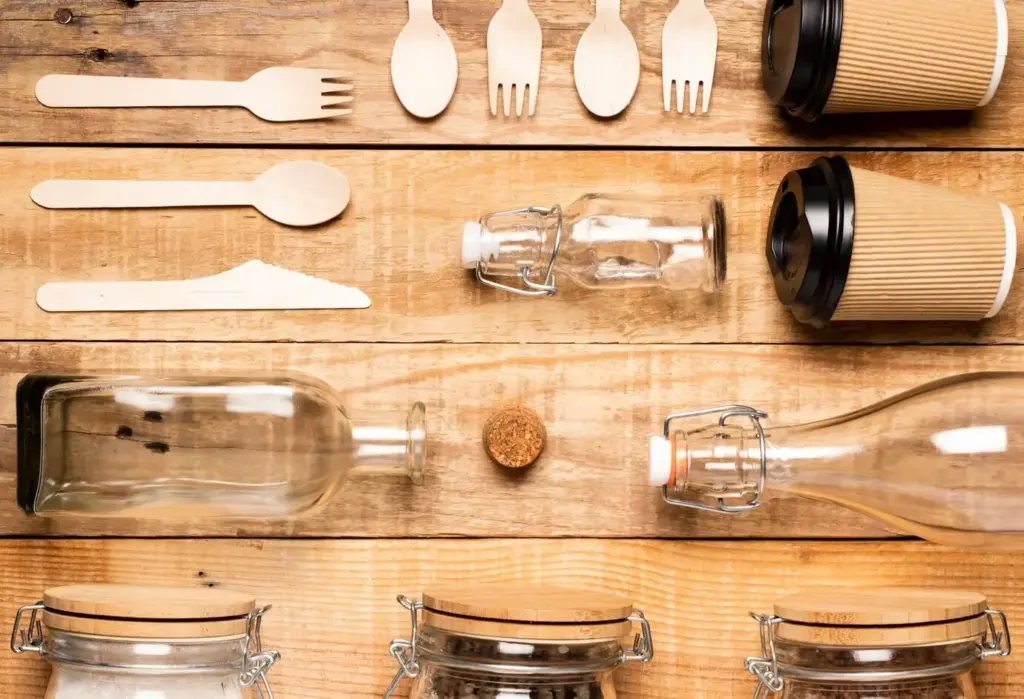
Keep a lightweight set: nesting steel bowls with leakproof lids, a napkin that doubles as a placemat, a compact spork or travel cutlery, and a collapsible cup for drinks or soups. Add a small jar for sauces. Stash everything in a washable tote. This routine transforms spontaneous stops into waste-light moments, while friends notice and ask questions, seeding new habits across your social circle.

Cleaning, Storing, and Traveling the Low-Waste Way

A plastic-free lunch system thrives on easy maintenance. Choose dishwasher-safe items, designate a drying rack, and schedule a weekly reset to check seals and gaskets. Odor removal tricks—baking soda, lemon, sunlight—keep containers fresh. Thoughtful packing, like nesting pieces and wrapping jars in cloth, prevents dings in transit. With small tweaks, your kit stays dependable, hygienic, and pleasantly ready for hectic mornings or late-night leftovers.

Dishwasher Routines That Preserve Seals

Place silicone gaskets on the top rack in a mesh bag so they never vanish. Avoid high-heat dry cycles for some lids, extending life and preventing warping. Label lids and bases if families share sets. Every few weeks, soak gaskets in warm water with a pinch of baking soda. This gentle ritual prevents odors and keeps leakproof promises intact during bumpy bike rides or subway commutes.

Odor Control Without Harsh Chemicals

Glass rarely holds smells, but stainless and silicone sometimes do. A paste of baking soda with lemon juice neutralizes lingering curry or garlic. Dry containers in sunlight when possible—the UV helps deodorize naturally. Keep a tiny cotton sachet of dry baking soda inside empty lunch tins overnight, and rinse before use. These habits protect food flavor and make your toolkit feel consistently inviting.

Packing for Commutes and Flights

For backpacks, place heavier glass at the bottom, then cushion with a cloth napkin. On flights, pick solid foods and spreads to clear security, then assemble bowls after screening. Silicone pouches lie flat, maximizing space. A small ice pack keeps proteins safe, while a leakproof jar covers dips. These careful arrangements prevent messes, elevate mid-journey meals, and reduce impulse packaging purchases when hunger strikes unexpectedly.

Budget, Health, and Taste: The Hidden Wins

Switching away from plastic often saves money over months because durable containers outlast rolls of film and stacks of bags. Food tastes brighter when not stored against odors or phthalates, and reheating becomes safer without warped surfaces. Portioning fosters mindful eating, while leftovers transform into appealing plates instead of forgotten bins. These compounding gains make sustainable habits feel rewarding, not restrictive, throughout ordinary weekday routines.

Community, Policy, and Real-World Success Stories

Change scales fastest when people learn together. Offices set up utensil libraries and dishwashing stations. Schools pilot shareable containers. Cities adopt reuse ordinances and support vendors with grants. By sharing your photos, checklists, and challenges, you model approachable progress. Comment with your container wins, subscribe for monthly case studies, and invite friends to try a week-long experiment. Small actions compound into visible cultural shifts.
Zimunexizunafe
Privacy Overview

This website uses cookies so that we can provide you with the best user experience possible. Cookie information is stored in your browser and performs functions such as recognising you when you return to our website and helping our team to understand which sections of the website you find most interesting and useful.