Pack Lighter, Waste Less: Reusables for Every Journey

Today we explore travel-friendly reusables to cut plastic on the road, turning every stop into a simple, positive habit shift. From airports to hostels, these compact tools save money, prevent waste, and keep you hydrated, fed, and comfortable without the disposable extras. One million plastic bottles are purchased every minute worldwide—let’s rewrite that story with clever gear choices, practical routines, and friendly scripts you can use anywhere you wander. Share your questions and favorite swaps so others can learn from your experience.

Build Your Reusable Travel Kit

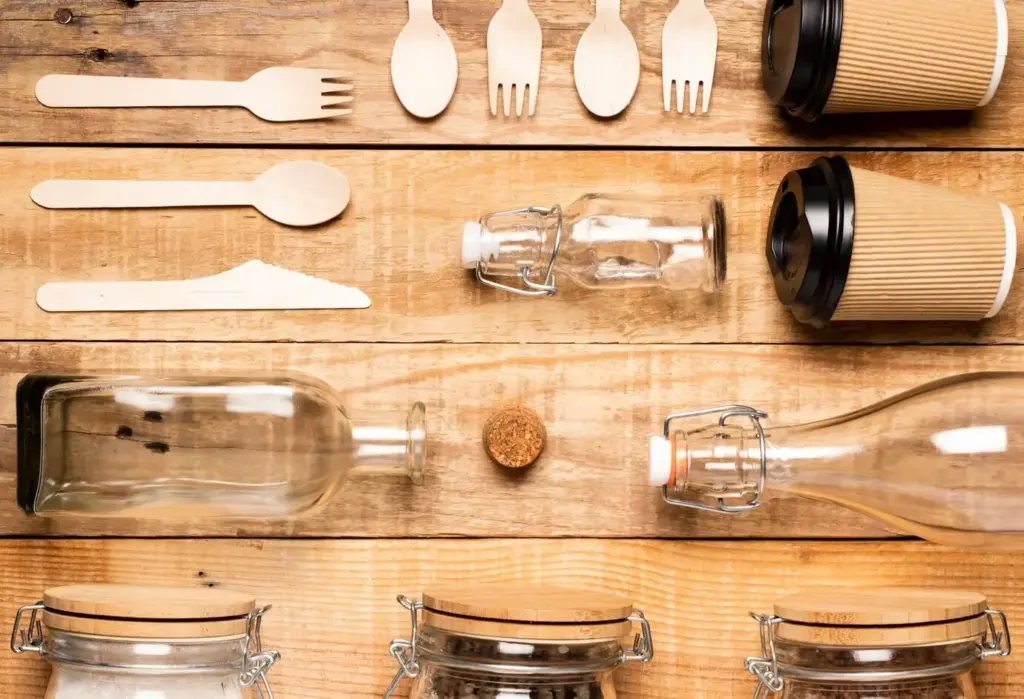
A portable, reliable kit begins with lightweight, multifunctional essentials that tolerate heat, pressure changes, and constant movement. Prioritize a sturdy bottle, compact filter, collapsible container, utensil set, and a small cloth or napkin. Choose materials that clean easily in hostel sinks, nest neatly in daypacks, and pass security without fuss. Add a tiny repair patch, a rubber band for sealing containers, and a resealable pouch for damp items. Share your kit loadout in the comments so newcomers can learn what truly earns space.

Hydration Without the Plastic Bottles

{{SECTION_SUBTITLE}}
Finding Refills Anywhere
Search cafe counters, public libraries, museums, co-working spaces, and university halls for easy refills, often free with a polite ask. Learn simple phrases that translate your request, and smile—staff are usually supportive when they see your reusable bottle. Save offline map pins for stations you discover, and share them with friends or fellow travelers. Early-day refills prevent afternoon scrambles, especially before long bus journeys. Add your discoveries in our comments, building a community-powered map that helps everyone skip single-use bottles with confidence.

Making Tap Water Safer on the Go

In places with uncertain water quality, choose a purifier that handles bacteria, protozoa, and viruses, not just a basic filter. UV wands are fast, while pump or squeeze systems handle sediments. Check replacement availability and bring spare cartridges if you’re going remote. Treat water in a wide-mouth bottle to stir easily and avoid spills. Allow a few extra minutes in the morning for purification routines. Share results from cities or trails where your setup excelled, so others can replicate success and avoid last-minute plastic purchases.

Plastic-Free Eating on the Move

Eating well without disposables requires friendly scripts, flexible containers, and a sense of timing. Markets welcome containers for fresh fruit, dumplings, or salads; cafes often accept reusables during slower hours. Balance safety and convenience with insulated sleeves, leak-proof lids, and a small cloth for drips. Pack napkins to refuse extra tissues and straws. Approach vendors respectfully, keep queues moving, and show your container ready. Share your favorite food finds and container pairings, inspiring others to enjoy local flavors while avoiding unnecessary packaging everywhere they roam.

Low-Waste Toiletries and Laundry

Solid bars, refill pouches, and laundry sheets keep routines simple, airline-compliant, and drip-free. A compact tin or breathable bag protects shampoo bars while allowing them to dry. Refillable minis prevent single-use hotel bottles from piling up. Laundry sheets or concentrated liquids in tiny dropper bottles serve sink washes without spills. Choose biodegradable formulas when camping and respect local water sources. Track what you actually finish to refine your kit. Share photos of your favorite compact setups and store discoveries that helped you refill without unnecessary plastic in new cities.

Solid Swaps That Pass Security Every Time

Shampoo, conditioner, and soap bars breeze through checkpoints, never counting against liquid limits. Cut bars into halves to reduce loss if one goes missing. Keep them in a drainable case and air dry whenever possible. A concentrated toothpowder in a tiny jar replaces bulky paste tubes. Sunscreen sticks limit leaks and simplify day-bag checks. If you’ve flown multiple itineraries with solids only, tell us what survived beach humidity, alpine cold, and shared bathrooms best, helping others assemble reliable kits that sidestep disposable travel-size plastics completely and confidently.

Refillable Bottles That Don’t Leak at Elevation

Pressure changes can force lids to ooze. Leave a little headspace, tighten caps firmly, and secure bottles upright in a secondary pouch. Silicone travel bottles feel convenient but may burp; rigid mini bottles with screw caps often seal better. Test by squeezing gently after filling. Label formulas clearly to avoid mix-ups in the dark. When you discover reliable bottles or clever sealing tricks, share photos and brands. Your experience prevents messy mishaps and reduces the temptation to grab plastic-wrapped hotel amenities during long journeys or late arrivals.

Laundry Plans for Sinks, Hostels, and Homestays

Carry a sink stopper, a small line, and microfiber clothespins for fast-drying setups anywhere. Laundry sheets simplify dosing and pack flat. Agitate clothes gently to protect fibers and reduce microplastic shedding. Turn garments inside out, rinse thoroughly, then roll in a towel to speed drying. For hostels, wash early to claim space and avoid crowding. Ask hosts about local laundromats and refill shops for detergent. Share your most successful quick-dry routines, especially in humid locations, so others can stay fresh without resorting to single-use plastic packaging or bags.

Security Checkpoints With Empty Bottles and Bars

Keep bottles empty and lids off in your tray to speed inspection. Solid toiletries remain in your bag, avoiding liquid limits. Pack filters separately if they appear dense on scanners, and explain calmly if asked. After security, head straight to refill stations to avoid impulse bottle purchases. If stations are hidden, ask staff or check terminal maps. Report good refill locations in our comments, helping others plan routes that minimize stress and plastic use during tight connections, late-night departures, or unfamiliar international terminals with varying rules.

Long-Ride Comfort Without Trash

Prepare a reusables pocket at the top of your bag with cup, container, napkin, and utensils ready. Choose snacks that don’t crumble everywhere. Use a lid as a plate for tidy eating in tight seats. Refill at stations rather than buying bottled drinks onboard. Offer neighbors a napkin or spare utensil if appropriate; kindness builds culture. Share stories of zero-waste victories on overnight trains or cross-country buses, including how you managed spills, smells, and cleanup without disposables, keeping your space comfortable and considerate for everyone around you.

Care, Cleaning, and Longevity

Taking care of reusables keeps them reliable and pleasant to use. A quick rinse after coffee prevents lingering flavors, while periodic deep cleans banish odors and stains. Baking soda, vinegar, or fragrance-free soap handle most tasks without harsh chemicals. Dry lids and gaskets separately to prevent mold. Keep a tiny repair kit for loose screws, cracked straw tips, or torn pouches. When items finally retire, seek metal recycling or brand take-back programs. Share your maintenance wins and cautionary tales to help extend gear life and confidence.

Daily Quick-Clean Routines Anywhere

End each day with a thirty-second rinse using warm water if available, then air-dry containers upside down on a clean cloth. Swish a pinch of baking soda in bottles to neutralize flavors. Wipe utensil handles to keep bags clean. Keep a small, breathable pouch for drying on the move. If water access is limited, designate items for specific uses until proper washing is possible. Share your smartest quick-clean routines from sleeper trains, beach camps, or mountain huts so others can maintain hygiene without reaching for disposables.

Deep-Clean When You Finally Stop Moving

During longer stops, soak bottles and lids in warm water with a spoon of vinegar, then scrub gaskets and threads to remove residue. Sun-dry items when safe to harness natural deodorizing. For silicone, a brief baking soda paste lift removes stubborn smells. Inspect filters according to manufacturer guidelines and replace on schedule. Record what worked in a quick note for next time. Tell us your most effective deep-clean ritual and how often you perform it, especially after spicy foods or long stretches of coffee and tea.

Zimunexizunafe
Privacy Overview

This website uses cookies so that we can provide you with the best user experience possible. Cookie information is stored in your browser and performs functions such as recognising you when you return to our website and helping our team to understand which sections of the website you find most interesting and useful.