Craft Clean: Plastic-Free Home and Self-Care You Make Yourself
Today we’re diving into making your own cleaning and grooming products without plastic packaging, turning everyday ingredients into effective, earth-kind helpers. Expect approachable formulas, safety guidance, and clever container ideas, plus stories from real kitchens and bathrooms. Whether you’re switching for health, cost, or planet, you’ll find recipes that work, routines that stick, and practical ways to refill, label, and share. Bring a notebook, gather a few jars, and get ready to transform habits one refill at a time.

Gather Your Plastic-Free Toolkit

Before mixing your first scrub or shampoo alternative, set yourself up with sturdy, reusable tools that make the process smooth and safe. A few glass jars, a metal funnel, measuring spoons, gloves, and labels can transform a messy experiment into a repeatable ritual. Stock reliable, multipurpose ingredients like baking soda, washing soda, vinegar, citric acid, castile soap, and plant oils. Choose suppliers that offer refills or paper sacks. With everything within reach, your sink starts to look less like a chore station and more like a tiny laboratory of care.

Ingredients that Work Hard and Tread Lightly

Focus on humble classics because they earn their shelf space: baking soda for gentle abrasion, washing soda for softening water, vinegar for dissolving mineral deposits, and castile soap for biodegradable suds. Add citric acid for limescale, hydrogen peroxide for occasional whitening, and arrowroot or cornstarch for deodorants. Whenever possible, buy in bulk without plastic, or choose paper, metal, or glass. Keep everything clearly labeled with concentration notes and expiration reminders, and store away from heat and curious pets. Simple building blocks unlock dozens of dependable recipes.

Reusable Containers and Low-Waste Tools

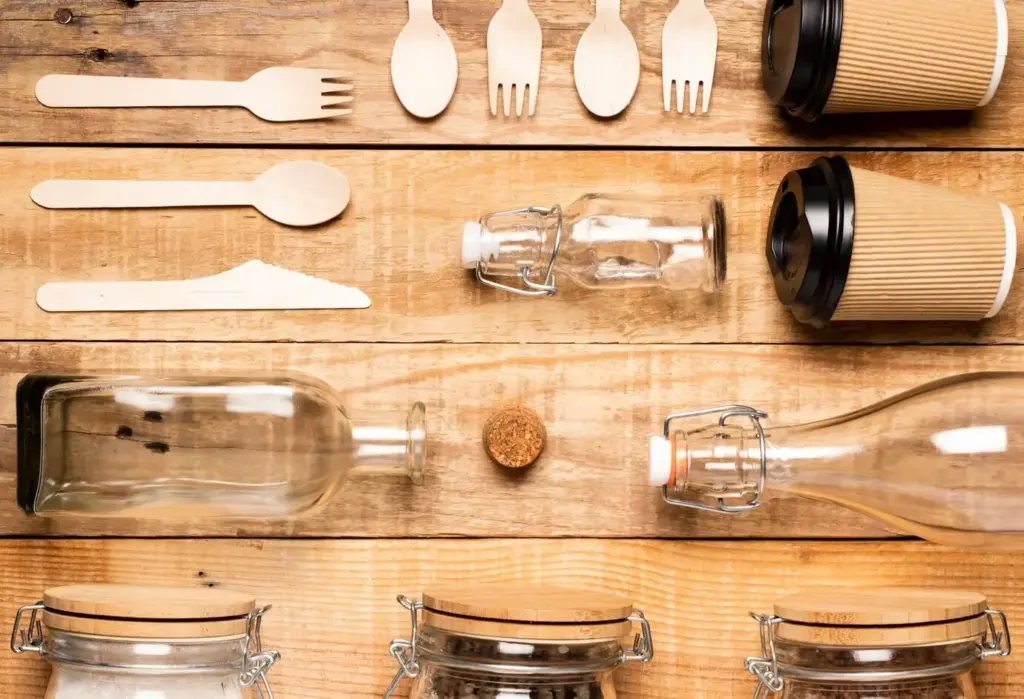
Save glass pasta jars and repurpose metal tins for balms. A stainless-steel spray bottle avoids microplastic flakes and survives years of use. Silicone spatulas scrape every last gram from a mixer bowl, while wooden scoops portion powders neatly. Color-code caps or add elastic bands for quick identification. If you enjoy aesthetics, unify labels and jar shapes so your counter feels calm. Refill cloth filters or tea balls steep herbs for gentle infusions. These durable companions make each batch feel like a confident routine rather than a one-off experiment.

Sourcing Ethically and Affordably

Check local refilleries and food co-ops for bulk washing soda, vinegar, and castile soap in returnable containers. Farmers’ markets often sell beeswax or plant oils in glass. Online, prioritize vendors offering paper sacks and consolidated shipping. Split large orders with neighbors to reduce cost and packaging. Track price-per-use in a notebook; you’ll quickly see savings compared with branded plastic bottles. Ask suppliers about origin and certifications when relevant. Build relationships, share honest feedback, and request reusables. You are not just a consumer; you’re shaping better supply chains with each refill.

Kitchen Surfaces, Sinks, and Stovetops
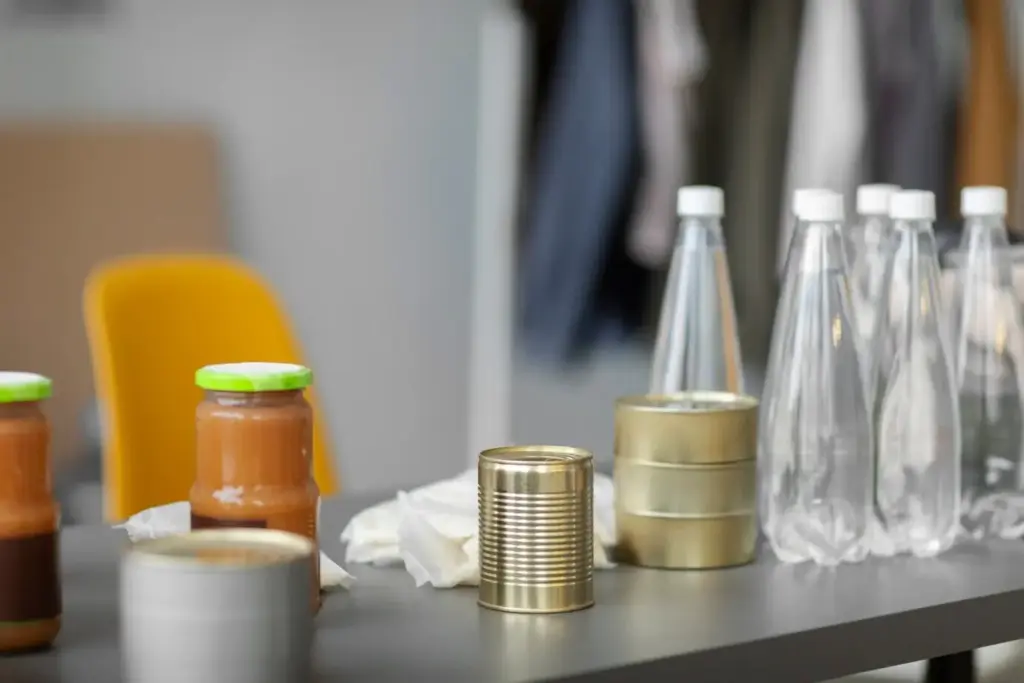
Grease, crumbs, and limescale are daily guests in a working kitchen. Effective, plastic-free formulas rely on acidity for mineral buildup, alkalinity for fats, and mild abrasion for sticky residues. By using vinegar infusions, baking soda pastes, and solid dish bars, you can keep counters and pans sparkling without disposable bottles. The magic lies in understanding why each ingredient works, so you reach for the right jar automatically. Embrace reusable brushes and cloths, and invite family into the process with labeled, safe recipes everyone can handle confidently.

Laundry That Skips the Plastic

Clothes demand cleaning power, but not more plastic. By combining soap flakes, washing soda, and a measured oxygen booster for whites, you can handle sweat, odor, and stains while protecting fibers and waterways. Softening can come from simple vinegar in the rinse compartment, if your machine tolerates it. For handwash-only garments, a gentle castile dilution works wonders. Track what performs for gym gear versus woolens, and adjust. With jars labeled and scoops ready, every load becomes a quiet vote for durability, thrift, and rivers that run clearer.
Grate unscented soap into fine shavings, then blend two parts washing soda to one part soap for a reliable powder. Hard water users can add a small portion of borax or a zeolite-based builder, checking local guidance. Start with one to two tablespoons per load, and scale by soil level. Pre-dissolve in warm water for cold cycles to avoid residue. Store in a tight-lidded jar with a dedicated scoop and a moisture absorber like rice in a breathable pouch. You’ll appreciate the predictable performance and the uncluttered shelf.
For dingy towels or lingering odors, an oxygen booster based on sodium percarbonate can revive brightness without chlorine fumes. Pre-soak in warm water to activate bubbles that lift stains gently. Always read care labels and test dyes. If your machine allows, run a maintenance cycle monthly with a hot solution to tackle biofilm. Ventilate laundry areas to discourage mildew, and dry fully. Track results in a simple log so you remember which combinations worked best. Over time, you’ll tailor your approach and avoid overusing product, saving money and fabric life.

Gentle Grooming for Hair, Skin, and Teeth

Personal care should feel kind to your body and the planet. Explore balanced approaches that avoid harsh pH swings, unsupported claims, and plastic packaging. Shampoo alternatives may suit some scalps, while others prefer diluted, pH-adjusted cleansers. Deodorants can minimize odor without masking your skin’s microbiome. Tooth-cleaning powders can polish without synthetics. Patch tests, small batches, and honest notes prevent frustration. Celebrate wins, tweak textures, and listen to your skin. Your routine can be practical, evidence-aware, and beautiful, packed in tins and jars you actually enjoy refilling and reusing every month.

Balanced Shampoo and Conditioner Alternatives

Try a gentle, pH-adjusted liquid made by diluting castile soap very lightly and following with an acidic rinse of diluted apple cider vinegar, avoiding eyes carefully. If your hair dislikes soap, consider a mild, surfactant-based formula made from SCI or SLSa pellets that you press into a solid bar using paper-wrapped ingredients. Keep a diary of scalp feel and frizz, adjusting frequency and dilution. Use a wide-tooth comb and lukewarm water. Share honest photos of results, because real textures and real days beat airbrushed promises every single time.

Deodorant that Respects Skin Microbiome

Blend arrowroot or cornstarch with a touch of baking soda, then soften with shea butter and coconut oil for a spreadable balm in a metal tin. Sensitive skin may prefer magnesium hydroxide and zinc ricinoleate for odor control without alkalinity. Melt ingredients gently, stir thoroughly, and pour. Refrigerate an hour to set. Apply sparingly and allow a minute to absorb before dressing. Note any irritation and adjust ratios. Wash pits with a mild cleanser at night to reset. Invite readers to share seasonal tweaks because climate shifts matter.

Tooth-Cleaning Powders and Pastes without Plastic

Combine finely milled calcium carbonate, a pinch of baking soda, and xylitol for dental-friendly sweetness, then add a mild flavor from peppermint leaf powder or food-grade essential oil at conservative drops. Spoon into a small glass jar and use a dry, dedicated scoop to avoid moisture. If making a paste, mix with glycerin for a smoother feel, but label clearly and watch shelf life. Always consult your dentist about fluoride preferences and enamel health. Share experiences respectfully, recognizing that smiles, diets, and sensitivities vary widely across households and geographies.

Safety, Shelf Life, and Evidence

Homemade does not mean careless. Water-based formulas can spoil, and concentrated oils require caution. Learn when to refrigerate, when to discard, and when to introduce a broad-spectrum preservative compatible with your recipe. Keep clean tools, sanitize containers with boiling water or alcohol, and avoid double-dipping. Respect essential oil dermal limits and pet safety. Read peer-reviewed sources where possible, and test small before scaling. Build a habit of labels with dates and batch numbers. Responsible practice protects your health, saves money, and makes your advice trustworthy when friends ask for guidance.

When to Refrigerate, Label, and Discard

Any formula containing water or fresh botanicals deserves extra attention. If you skip preservatives, refrigerate immediately and use within a few days. Watch for texture shifts, unusual odors, or color changes. Sanitize jars and lids before filling, and cool mixtures fully to avoid condensation. Label every batch with complete ingredients, concentration, and the date. Keep a simple notebook to track outcomes and seasonal variations. If in doubt, throw it out. A cautious mindset prevents rashes and ruined clothes, and it keeps your enthusiasm strong for the next confident experiment.

Essential Oils: Aroma with Boundaries

Essential oils can uplift cleaning blends and grooming formulas, yet they are potent concentrates. Measure in drops, not splashes, and respect dermal limits from reputable sources. Avoid certain oils around children, pregnancy, and pets. Dilute into carriers before adding to water-based products. Store bottles in dark glass away from heat, and record the opening date because oxidation changes safety. If a friend raves about a heavy-scented recipe, remember that tolerance varies. Encourage a culture of light touch, informed consent, and fragrance-free options so everyone can breathe comfortably at home.

Myth-Busting with Research and Real-World Trials

Trendy posts can overpromise. Balance enthusiasm with evidence by checking credible references and small-scale tests. Compare identical stains cleaned with different dilutions, photograph results, and share honest failures. Seek guidance from chemistry educators, dental professionals, dermatologists, or textile care resources when appropriate. Not every plant extract disinfects; not every powder deodorizes equally. The joy is iterative learning, not perfection. Invite readers to replicate your experiments, adjust for water hardness, and report back. A community that values clarity will build reliable, plastic-free routines faster than any glossy campaign ever could.

Refill, Reuse, Reimagine Packaging

Choosing Containers that Last Decades

Favor thick-walled glass with swap-friendly lids and standard threads, so replacement pumps fit. Stainless steel excels for sprays and travel. Wide-mouth jars simplify cleaning and scooping powders. Test seals by laying filled jars on their sides briefly over a sink. Use painter’s tape for temporary labels while you perfect recipes, then graduate to waterproof stickers. Keep a small caddy with extra gaskets and sprayers to extend lifespan. Remember: the greenest container is the one used constantly, repaired promptly, and shared happily when a friend needs an immediate refill.

Refillery Habits and Community Networks

Map nearby refill shops and set a recurring calendar reminder aligned with your household rhythm. Carry clean, pre-weighed containers and note tare weights. Ask staff about concentrated options to reduce trips. If your town lacks a refillery, team up with neighbors for bulk orders in paper or returnable drums. Rotate pickup duties and exchange empty jars. Start a message thread to announce surplus or swaps. Community logistics turn individual effort into momentum, making plastic-free living feel less like a solo marathon and more like a relaxed neighborhood walk done together.

Designing a Beautiful, Functional Sink Setup

Place your dish brick on a draining tray, corral brushes in a ceramic cup, and store the citrus spray within easy reach. Mount a small shelf for powder jars and keep a microfiber stack folded neatly. A slim label on each container reduces confusion for guests. Add a pleasant ritual: open a window, play a favorite song, and wipe counters with slow, satisfying strokes. When your space feels inviting, refills happen without procrastination. Share photos of your setup, swap ideas, and notice how aesthetics reinforce consistency day after day.

Motivation, Money, and Momentum

Sticking with plastic-free routines is easier when you celebrate savings and progress. Track cost-per-batch and watch the numbers beat supermarket bottles. Note fewer curbside bags, clearer under-sink spaces, and calmer mornings. Start with one swap, then another, building a chain of tiny victories. Tell stories: a grandmother’s vinegar trick resurrecting a dull pan, a roommate impressed by a tin of balm that actually works. Invite readers to comment with tweaks, subscribe for seasonal recipes, and request tests. Momentum thrives on shared curiosity, accountability, and joyful, useful results.

Cost Breakdowns that Inspire

List each ingredient’s price and calculate cost per use for your top three recipes. Include the container’s amortized cost over a year to stay honest. Compare with a typical plastic-bottled equivalent and highlight savings. Keep receipts in a zip pouch near your refill caddy. When you hit a milestone—like halving spending on cleaning—celebrate with a small, useful tool upgrade. Share your spreadsheet template so readers can adapt it easily. Visibility turns vague frugality into tangible wins that make continuing enjoyable rather than dutiful or moralizing.

Small Wins Journal to Keep Going

Create a notebook dedicated to quick notes: fewer streaks on glass, a scrub that finally cracked oven grime, or a deodorant tweak that handled a humid commute. Add dates, weather, and dilution. Flip through when motivation dips and remind yourself how far you’ve come. Set tiny goals for the week, like refilling the spray before it empties. Invite family members to add entries. Seeing collective progress transforms chores into a shared craft. Drop a comment sharing your favorite journal prompts so our community can borrow and adapt freely.

Invite Friends: Swap Night and Skill Share

Host a monthly gathering where each person brings one batch and one empty jar. Trade scrubs for dish bricks, tooth powders for deodorant balms, and keep notes on favorites. Demonstrate safe measuring and labeling. Newcomers learn faster when they pour, stir, and laugh together. Share a printable card with your top recipes and dilution tips. Encourage follow-up messages with results and tweaks. These evenings turn routine maintenance into connection, spreading plastic-free habits through stories, smells, and shiny counters that make everyone proud to keep experimenting.
Zimunexizunafe
Privacy Overview

This website uses cookies so that we can provide you with the best user experience possible. Cookie information is stored in your browser and performs functions such as recognising you when you return to our website and helping our team to understand which sections of the website you find most interesting and useful.