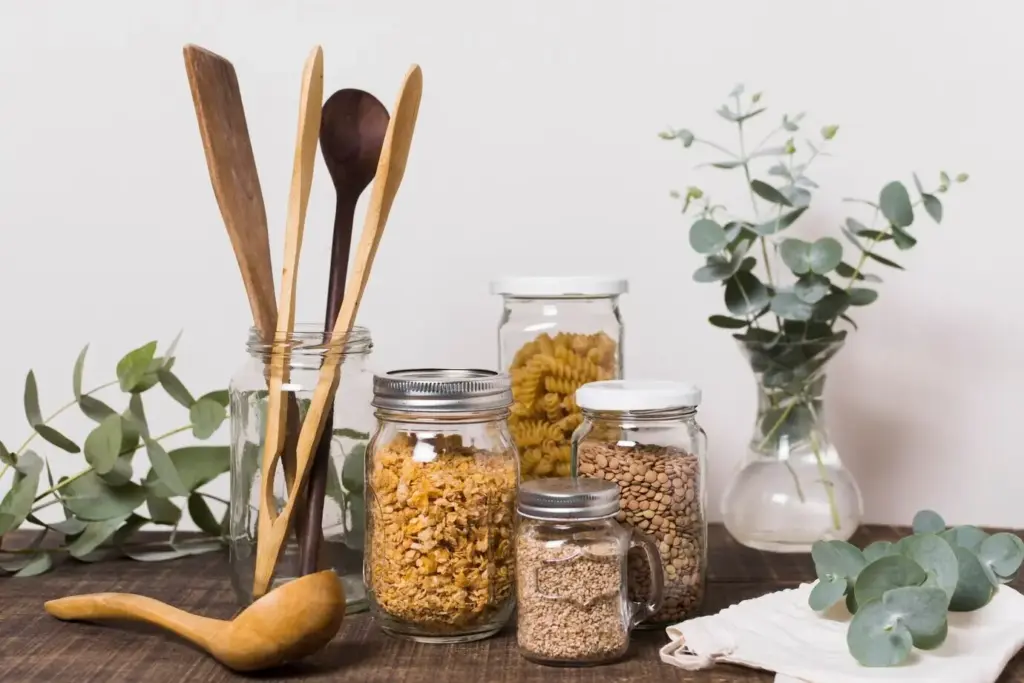
Thirty Days to Clear Everyday Plastics from Home

We’re diving into a focused 30-day plan to eliminate everyday plastics at home, turning small choices into lasting habits. Expect weekly goals, simple swaps, and practical scripts for family buy-in. Together we will reduce clutter, lower exposure to microplastics, and save money by reusing what truly works. Invite your household, set a start date, and let this journey guide you toward a calmer, more intentional space that respects your health, budget, and the planet all at once.

Set the Stage: Audit, Goals, and Mindset

Before changing containers or buying alternatives, map what actually enters and leaves your home. A gentle, honest audit reveals where plastics hide, from bread bags to shampoo caps. Translate findings into measurable weekly targets, involve everyone early, and choose a motivating reason you can repeat during hectic moments. This foundation keeps momentum steady, turning the 30-day plan from a checklist into an empowering practice that reshapes daily routines without overwhelm or unnecessary expense.

The One-Hour Household Plastic Audit

Set a timer and walk room by room, collecting or listing plastic items you use weekly. Notice disposable packaging, hidden liners, and “convenient” gadgets that break quickly. Photograph problem hotspots to track progress. This simple scan creates clarity, highlights quick wins, and prevents you from buying random replacements that do not address real patterns. Treat it as curiosity, not judgment, and celebrate the surprises you uncover about your habits and priorities.

Define Measurable, Encouraging Milestones

Choose two to three measurable goals per week, like replacing cling film by day seven or setting up refills by day fourteen. Tie each goal to a meaningful benefit you actually feel, such as tastier leftovers, fewer pantry spills, or less visual clutter. Post the milestones on the fridge, check in every Sunday, and allow flexibility if life gets busy. Progress compounds, especially when victories are visible, shared, and honestly celebrated together.

Invite Household Buy-In with Simple Rituals

Hold a short kickoff chat over dinner. Explain the 30-day plan, ask what changes feel easiest, and agree on a signal for gentle reminders. Create a shared basket for reusable bags and bottles near the door. Assign fun roles for kids, like “wrap swap captain.” When resistance appears, listen first, offer a low-friction alternative, and revisit compromises weekly. Team energy prevents backsliding, builds pride, and turns small swaps into household culture that lasts.

Smart Storage: Jars, Lids, and Wraps That Actually Get Used
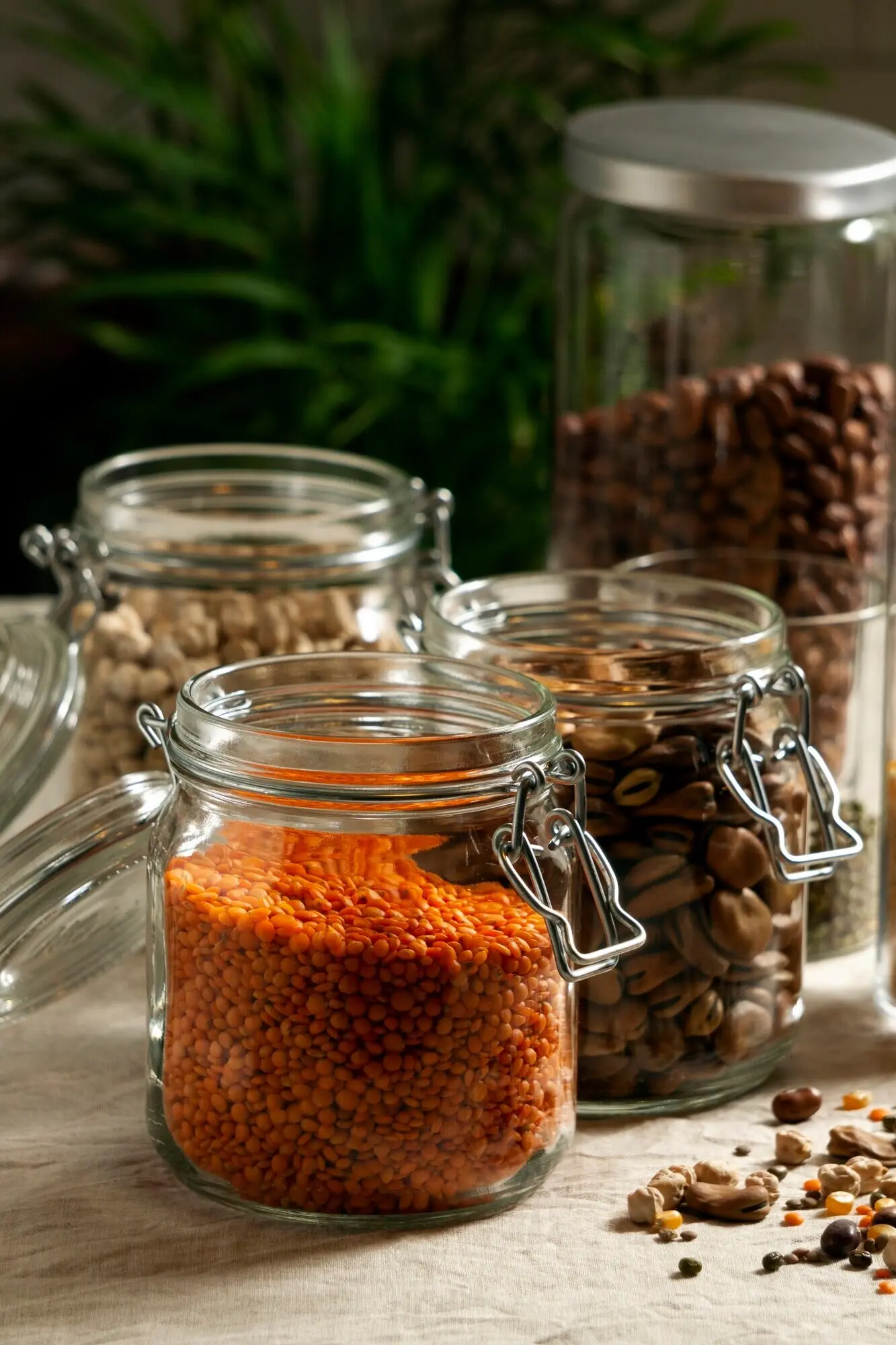
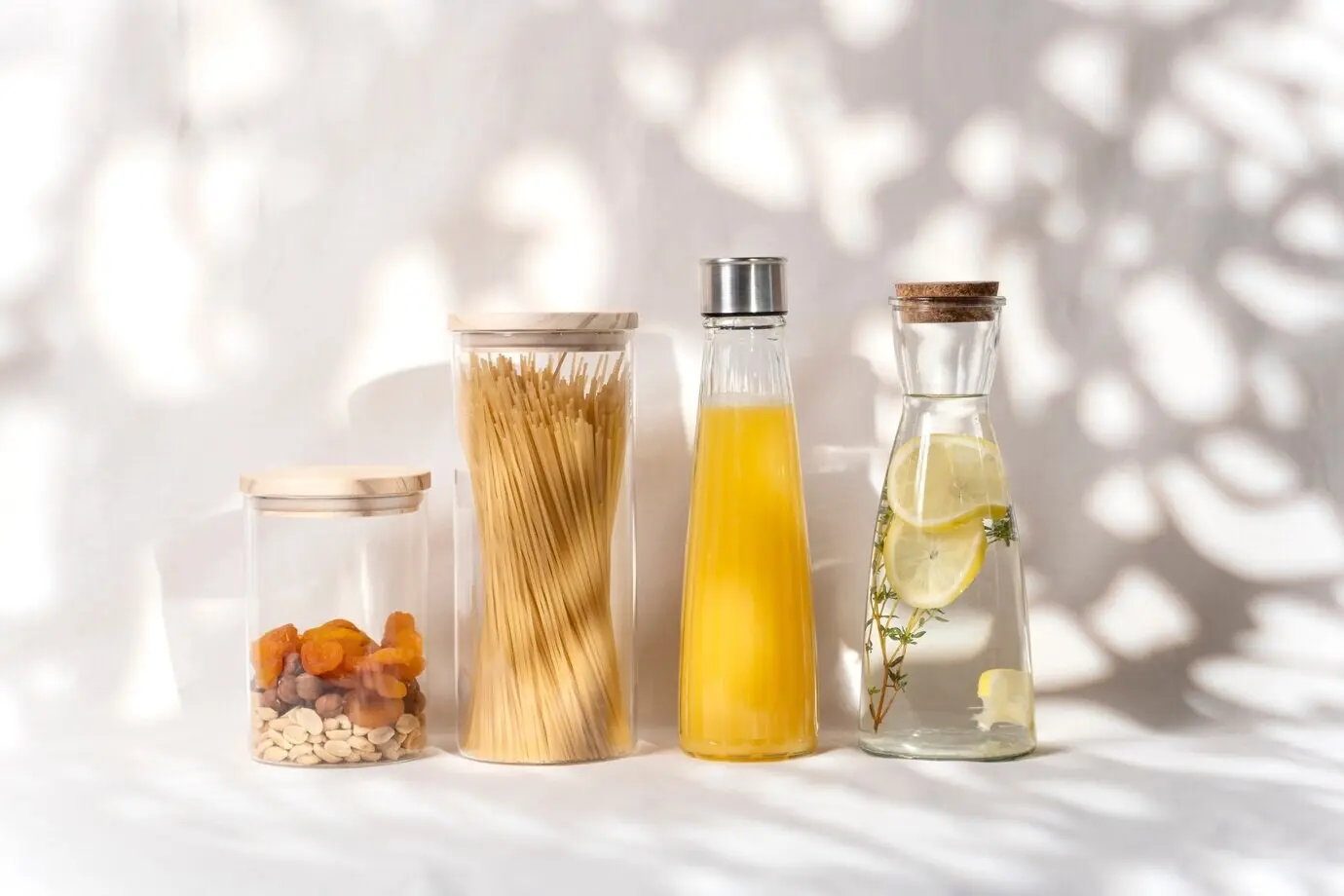
Match containers to typical portions, not idealized leftovers. Half-pint jars for sauces, wide-mouth jars for salads, and a few stackable glass dishes for reheating cover most needs. Beeswax wraps or silicone lids handle odd shapes without wasteful film. Label everything with removable tape and a date to prevent forgotten science projects. When storage is visible and satisfying, you will reach for it instinctively, shrinking plastic dependency without sacrificing freshness, flavor, or precious fridge space.

Shop with a Refill and Bulk Game Plan

Build a simple, repeatable routine: carry lightweight jars or cloth bags, note tare weights, and keep a short list of bulk staples you trust. Choose shops where staff are supportive and packaging is genuinely reduced. If bulk is limited, prioritize larger formats with recyclable or paper-based packaging. Say no to produce bags when skins protect naturally. Over time, these small decisions anchor new habits and shrink plastic inflows, while often lowering costs through fewer single-use purchases.

Bathroom Refresh: Personal Care and Cleaning

This is where microplastics and packaging really stack up: shampoo bottles, disposable razors, floss picks, and oversized cleaner jugs. Transition to concentrated refills, solid bars, and durable tools at a pace your skin and routines tolerate. Test one switch per week and observe results. Create a refilling corner under the sink with funnels and labeled jars. Clean, consistent rituals make mornings easier, counters calmer, and the entire bathroom visually quieter, without sacrificing comfort, fragrance, or hygiene standards.

Tame Packaging from Mail and Deliveries
Add a delivery instruction asking for paper or minimal packing whenever allowed. Keep a small breakdown station with scissors and a recycling guide near the entry. Save sturdy boxes for returns or lending. When ordering, bundle items to avoid multiple shipments. Track which retailers honor low-waste requests and favor them. These simple moves steadily reduce incoming plastic and keep hallways clear, making it easier to maintain order, breathe freely, and appreciate a calmer everyday rhythm.

Beverage Rituals Without Single-Use Clutter

Set up a centerpiece tray with a glass carafe, lemon slices, and reusable tumblers so guests naturally reach for tap water instead of bottled options. Brew coffee with a metal filter or French press. Keep sparkling water in reusable bottles filled from a home system if desired. Small aesthetic touches make plastic-free feel premium, not punitive. You will notice fewer recycling runs, fewer sticky rings on tables, and a subtle uplift in how everyday moments feel together.

Host with Reusables and Stories that Inspire
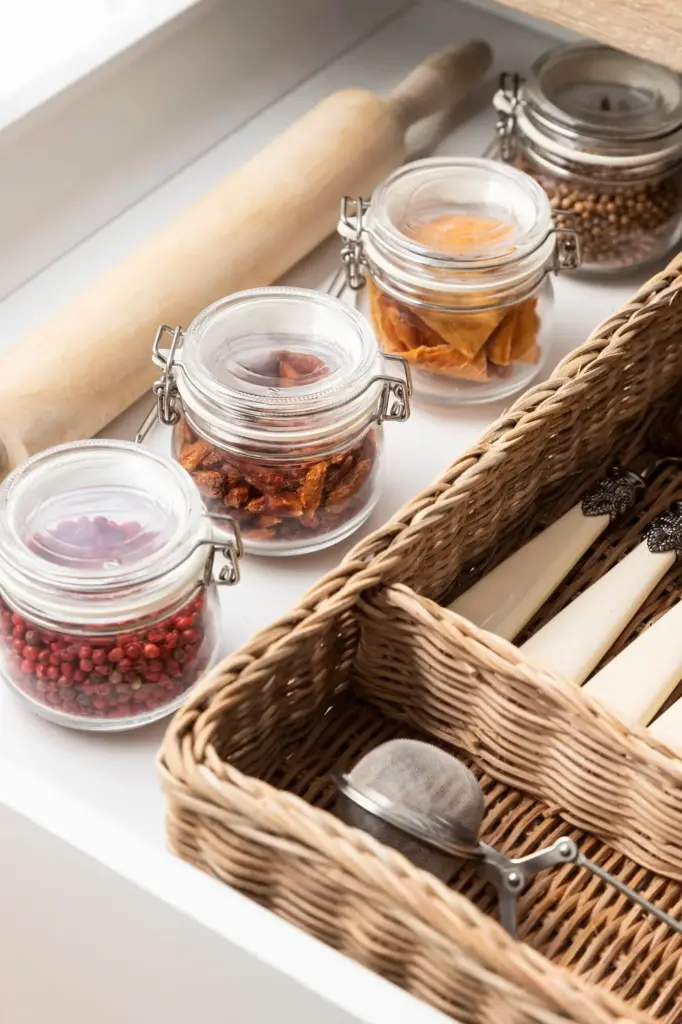
Build a hosting kit: cloth napkins, stackable plates, and sturdy cups in a labeled bin. Share quick anecdotes about swaps that actually worked, like beeswax wraps that kept herbs fresh for two weeks. Invite guests to borrow gear for their events. When kindness frames the conversation, people feel curious rather than judged. Your gatherings become an approachable demonstration that reduces waste while increasing style, signaling care for both your guests and the shared spaces you all love.

On-the-Go Systems: Bags, Bottles, and Lunches

Many plastic decisions happen outside the house, so anticipate them with lightweight systems. Keep a grab-and-go kit by the door, a compact set in your car, and a backup at work. Choose items that nest, fold, and feel good to use so you keep carrying them. Practice a two-minute reset each evening. With everyday friction removed, you will naturally refuse disposable bags, cups, straws, and takeout extras, saving money while staying flexible, spontaneous, and well-prepared.

Assemble a Reliable Everyday Carry Kit

Pack a foldable tote, a stainless bottle, a compact cutlery set, and a small cloth for unexpected spills. Add a leakproof container for leftovers and a tiny spice tin for joyful lunches. Store everything in a visible basket near your keys. After each outing, restock and dry gear immediately. When the kit becomes second nature, saying no to disposables requires zero drama, and your days feel more streamlined, capable, and refreshingly self-reliant in every situation.

Lunches that Travel Well Without Plastic

Choose modular containers that separate textures, preserving crunch without single-use packets. Pack dips in tiny jars and wrap sandwiches in waxed fabric. Freeze a stainless ice cube for chilled fruit. Keep a napkin that doubles as a placemat. These small upgrades transform rushed breaks into nourishing pauses, while refusing plastic utensils and clamshells becomes effortless. Over time, colleagues notice the calm order of your setup and often ask for your packing list and favorite recipes.
Waste Less: Recycling Reality, Compost, and Reuse

Recycling alone cannot solve plastic. Learn what your municipality truly accepts, avoid wish-cycling, and focus on refusing and reusing first. Composting trims reliance on plastic trash liners and keeps organic matter out of landfills. A small repair and reuse station extends product life, protecting budgets and preventing new packaging. By aligning disposal habits with honest outcomes, you turn the last step of consumption into a thoughtful practice that reinforces every change made across the month.

Momentum and Community: Tracking, Sharing, and Advocacy

Sustainable habits stick when they are visible, social, and emotionally rewarding. Keep progress easy to see, trade ideas with neighbors, and celebrate each milestone. Share what failed too, so others learn faster. Invite readers to subscribe for weekly check-ins, swap lists, and seasonal updates. Encourage local shops through polite requests and heartfelt thanks. By month’s end, you will feel lighter, spend smarter, and carry forward a playbook that keeps plastic out without sacrificing joy or convenience.

Reflect, Track, and Keep the Wins Visible

Post a simple tally sheet on the fridge with five categories: bags, bottles, wraps, takeout items, and miscellaneous. Update daily in under a minute. Circle weekly breakthroughs and photograph before-and-after spaces. When progress is visible, motivation compounds, and setbacks feel temporary. Invite everyone to add ideas and notes. This shared tracking becomes a family story, turning a 30-day project into a continuing practice that generates calm, savings, and an uplifting sense of purposeful everyday living.

Micro-Challenges and Rewards That Feel Human

Run two-day mini sprints: no bottled drinks, no plastic snack packs, or no new containers unless something breaks. Tie each sprint to a small reward, like a picnic or movie night. Constraints inspire creativity without burnout. If someone forgets, reset gently and iterate. Fun, forgiving structure builds resilience and keeps plastic-free choices playful rather than rigid. Over time, these micro-challenges become traditions everyone anticipates, renewing energy whenever routines drift or life gets complicated and busy.

Engage Local Shops and Share Your Playbook

Thank businesses that accept reusables and ask managers, kindly, about lower-waste options. Offer a short list of items you consistently buy in bulk. Share your success photos on community boards and invite neighbors to a refill meet-up. Positive feedback nudges systems gently. As participation grows, better options appear, and your 30-day plan earns lasting support beyond your front door. Collective action magnifies every personal swap, transforming neighborhood habits and making low-plastic living feel normal, friendly, and attainable.

Zimunexizunafe
Privacy Overview

This website uses cookies so that we can provide you with the best user experience possible. Cookie information is stored in your browser and performs functions such as recognising you when you return to our website and helping our team to understand which sections of the website you find most interesting and useful.