Spend Less, Waste Less in Your Kitchen

Today we dive into low-cost alternatives to single-use plastics in the kitchen, sharing simple swaps you can start tonight with items you already own. Expect practical steps, friendly cost breakdowns, tiny experiments, and community-tested tips that reduce waste without sacrificing convenience, safety, or flavor. Bring your questions, your quirks, and that drawer of mystery containers; together we will turn leftovers, shopping, and cleaning into a calmer, cheaper, reusable routine.

Why Reusables Save More Than Money

Before grabbing another roll of plastic wrap, consider how frequently those quick fixes drain budgets and clutter cupboards. When a reusable jar or wrap lasts months, the savings compound quietly, and so does the relief of fewer rushed store runs. We will weigh costs, durability, and ease of use, sharing real household experiences and a few numbers that keep expectations honest, encouraging you to try small changes that feel immediately rewarding.

Smart Storage Without the Plastic Drain
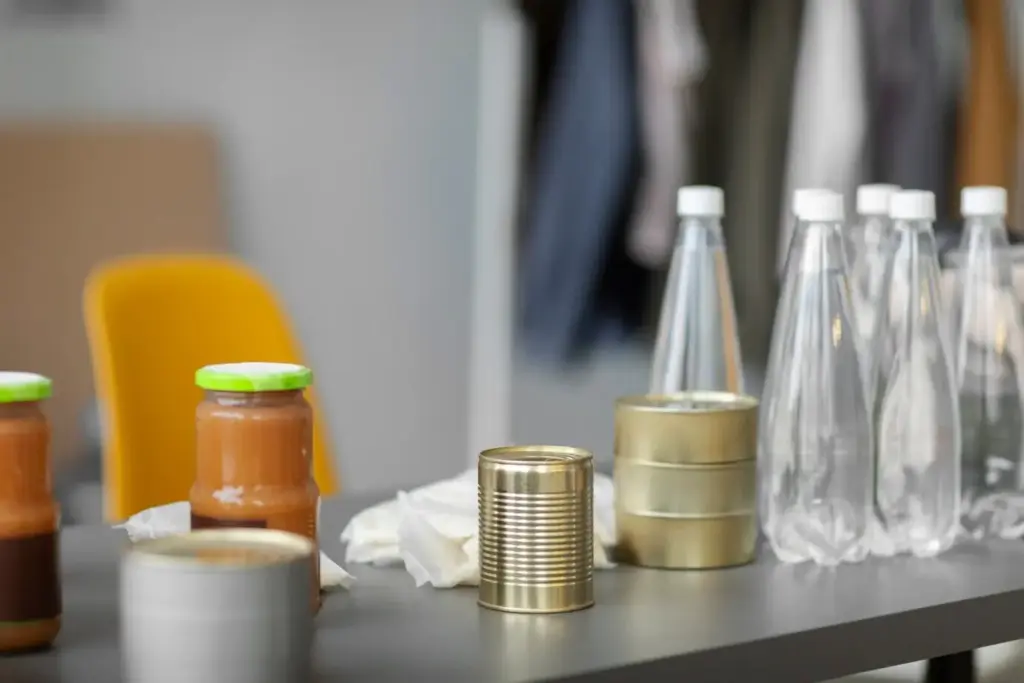
Storing leftovers, produce, and pantry staples does not need rolls of film or stacks of disposable bags. With repurposed glass, simple wraps, and durable pouches, you can keep food fresher longer while spending less each month. We will explore options that stack neatly, label clearly, and survive daily drops, with cost-conscious tips for building a flexible, attractive system that reduces food waste and resists the urge to buy more gadgets.

Repurposed Glass Jars and Bottles

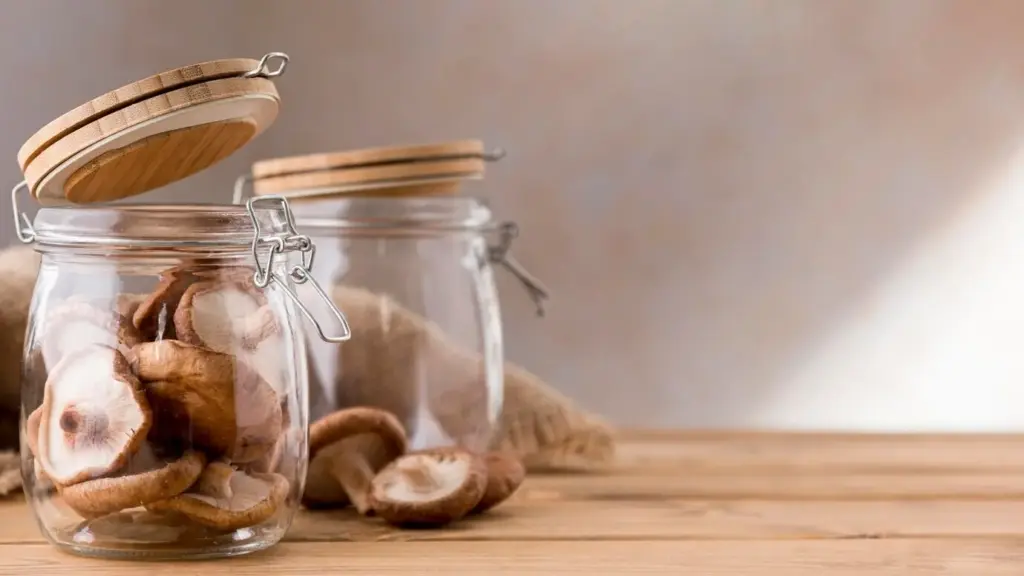
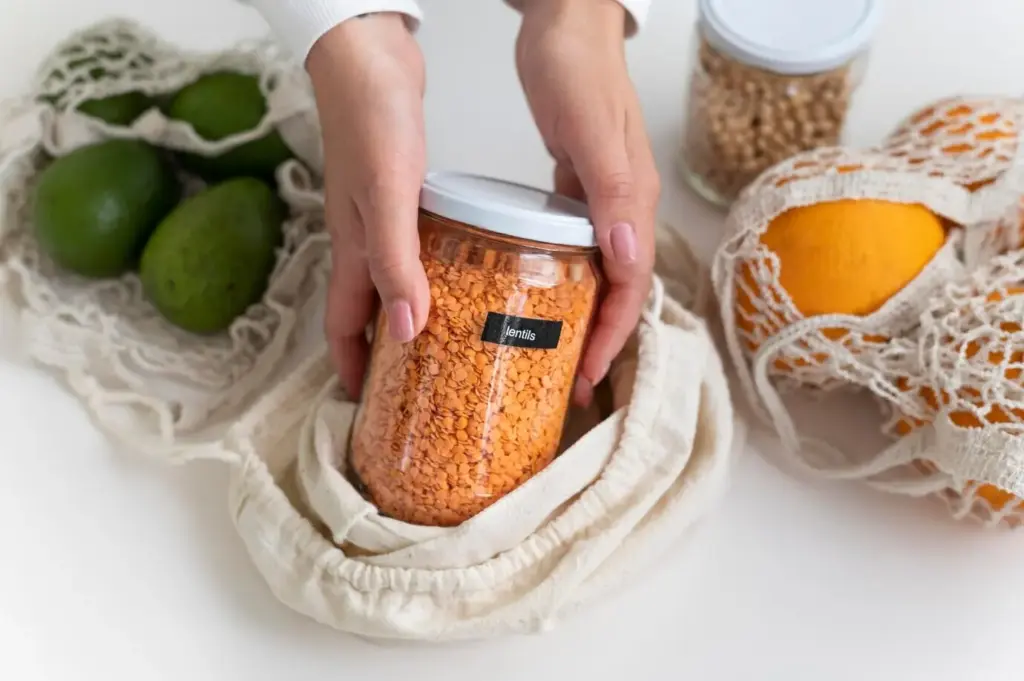
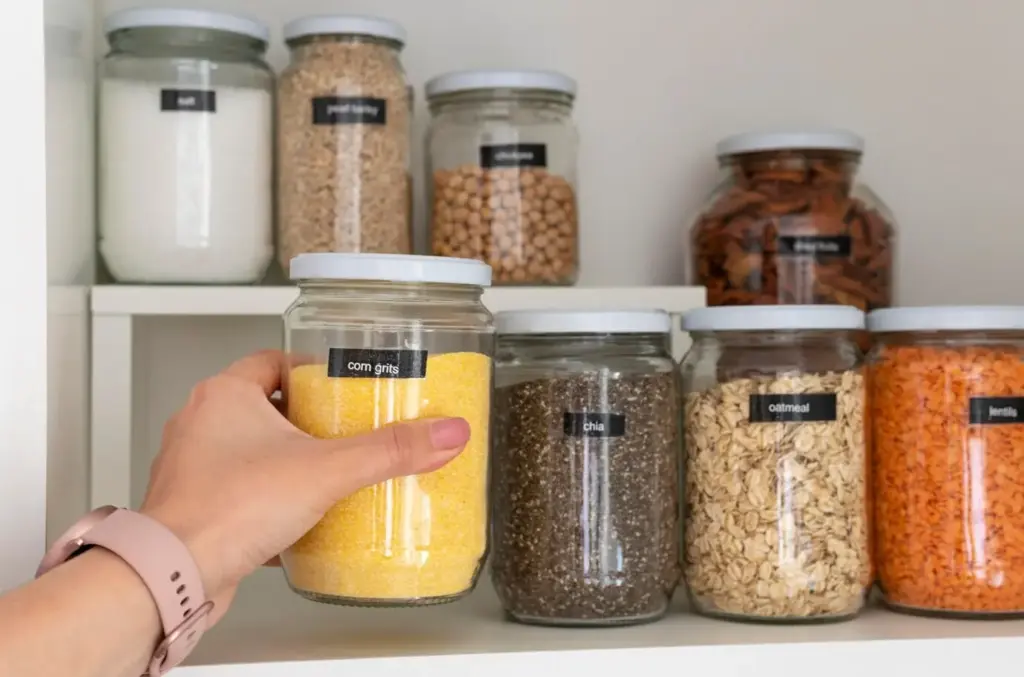
Pasta sauce jars, pickle jars, and swing-top bottles become airtight homes for grains, nuts, broth, and dressing. They are free, clear, and easy to sanitize. Add masking-tape labels for dates and reheating reminders. Stack them by size, not brand, to save shelf space. Share your neatest jar reuses, from freezer soups to cold-brew concentrates, and help others discover how yesterday’s container can become today’s reliable, costless kitchen workhorse.

Shoestring Beeswax Wraps You Can Make
With cotton scraps, a little beeswax, and an iron, you can produce flexible wraps that hug bowls and half-cut produce beautifully. They clean with cool water, last months, and smell faintly of honey. If beeswax is scarce, try pine resin blends for extra cling. Post your favorite pattern offcuts, lessons learned, and repair tricks, so beginners avoid sticky pitfalls and everyone enjoys a frugal, creative alternative to endless sheets of plastic.

Affordable Pouches: Silicone, Cloth, and Zippers

Look for sales, seconds, or community swaps for sturdy silicone bags, then fill gaps with sewn cotton snack pouches. Pair leak-resistant options for soups with breathable ones for bread. Label by category and size to speed meal prep. If silicone feels pricey, start with one or two high-use sizes and supplement with jars. Comment with your most versatile pouch combinations and the cheapest places you have discovered reliable, washer-safe options.

Clean Dishes, Cleaner Conscience

Dish care often hides plastic-heavy habits: rolls of paper towels, plastic-wrapped sponges, and oversized detergent bottles. Switching to washable cloths, durable brushes, and concentrated soaps cleans plates and budgets with less packaging. We will share methods that keep sinks tidy, hands happy, and drains unclogged, while inviting your practical tweaks and cautionary tales. Expect straightforward routines that make cleanup faster, calmer, and far lighter on both waste and wallet.

Frugal Grocery Habits That Cut Plastic

Smart shopping shrinks both receipts and bins. A lightweight kit and a little planning skip unnecessary packaging while preserving convenience. We will walk through budget-friendly produce bags, container strategies for deli counters, and bulk-bin etiquette that keeps lines moving. Expect advice shaped by real store experiences, friendly scripts for conversations with staff, and reader-sourced maps of places that welcome reusables, helping you buy better and spend less every week.

Bring-Your-Own Kit, Built From What You Have

Start with a backpack, a few repurposed jars, and a cloth tote. Add two produce bags and a lightweight container for prepared foods. Keep everything together by the door so last-minute trips remain stress-free. Practice a short, polite request at counters. After a few visits, staff recognize you and the routine becomes easy. Share photos of your simplest kits and the scripts that work best in your local markets.

Bulk Bins, Grams, and Savings

Bulk aisles let you buy exactly what you need, cutting waste from stale extras and oversized plastic packages. Weigh empty containers, note the tare, and fill with staples you actually cook. Many stores feature frequent specials that beat prepacked prices. Track a month of purchases and compare side-by-side with your old habits. Report back which staples delivered the biggest savings and how you keep pantry jars rotating without forgotten leftovers.

Meal Prep That Frees You From Cling Film

Choose stackable lidded containers or snug beeswax wraps for batch-cooked grains, roasted vegetables, and sauces. Portion into grab-and-go sizes to prevent unnecessary repacking. A weekly prep hour reduces midweek chaos and slashes temptation to reach for plastic. Readers consistently say planned portions curb delivery spending, too. Share your most reliable Sunday routines, label templates, and leftover transformations, guiding newcomers toward a calm, plastic-light rhythm that makes busy nights gentler.

Takeout and Lunches Without Tossing

Secondhand Containers With First-Class Performance

Thrifted stainless lunchboxes, glass containers with locking lids, and even sturdy ice-cream tubs make dependable travel partners. Test for leaks with water before trusting soups or curries. Keep a clean spare in your bag for surprise meals. Ask kindly at counters; most places appreciate your readiness. Share the most durable bargains you have found and any labeling tricks that helped staff recognize your container and pack food efficiently without extra packaging.

Travel Cutlery and Small-Town Hacks

A napkin-wrapped fork, spoon, and chopsticks live happily in a pencil case. Add a lightweight metal straw if you use one frequently, and skip it otherwise. In small towns, politeness and patience unlock flexibility from busy vendors. Offer to wait an extra minute and smile. Tell us your region, what worked, and where you struggled, so others approaching the same counters can borrow your friendly, effective scripts and preparations.

Refill Culture: Coffee, Tea, and Hydration

Carry a cleaned cup and a bottle, and learn which cafés happily refill. Some offer loyalty stamps or small discounts. Rinse immediately after use to prevent odors, and keep a rubber band around the lid to hold a napkin for drips. Map friendly spots in your city and share the list. That community map turns individual efforts into momentum, helping newcomers save money while skipping disposable lids, sleeves, and stirrers.

Habits That Stick and Save

Lasting change comes from tiny routines and supportive communities, not guilt or perfection. We will build achievable checklists, celebrate near-misses, and troubleshoot roadblocks together. Expect honest stories, simple tracking tools, and reminders that progress beats purity every time. Your experiments and photos inspire others, so jump into the discussion and share what worked, what failed, and what surprisingly delighted you in this lighter, cheaper kitchen journey.

01

Weekly Ten-Minute Plastic Audit

Once a week, empty the bin and list the three most common single-use items you tossed. Pick one to replace for seven days with the simplest reusable you own. Keep score on the fridge. Invite housemates into the game, and celebrate small wins with a meal you all enjoy. Report your top three items and chosen replacements below, so we can compile a living list of quick victories.

02

Swaps, Shares, and Neighborhood Libraries

From jar exchanges to tool libraries, borrowing and sharing reduce costs while preventing duplicate purchases wrapped in plastic. Start small with a group chat and a shelf by the door. Rotate rarely used items like dehydrators or canning kits. One reader saved for months by lending a spare blender. Post your community’s rules, meet-up times, and favorite swaps, and we will feature them to inspire others to build similar circles.

03

Care, Repair, and Creative Upcycling

A silicone seal can be reseated, a cloth edge can be stitched, and a warped lid sometimes straightens with hot water. Learning gentle care extends lifespans and avoids replacement shopping. When retirement finally arrives, repurpose containers for hardware, crafts, or seedlings. Share your clever fixes, hilarious missteps, and best second lives. Together we will maintain a generous, frugal loop that squeezes maximum value from every hardworking kitchen staple.

Zimunexizunafe
Privacy Overview

This website uses cookies so that we can provide you with the best user experience possible. Cookie information is stored in your browser and performs functions such as recognising you when you return to our website and helping our team to understand which sections of the website you find most interesting and useful.