Small Changes, Big Impact

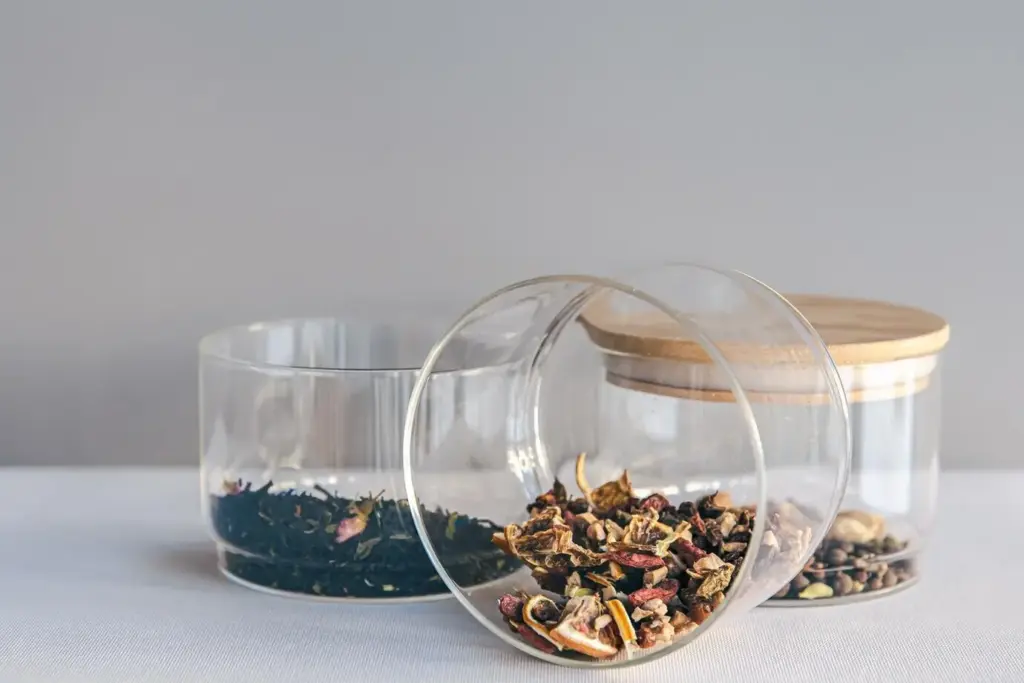
Today we explore Plastic-Free Everyday Swaps, turning ordinary routines into meaningful choices that shrink waste without shrinking joy. Expect practical alternatives, honest stories from real households, and science-backed reasons these switches matter. Share your wins, ask questions, and help inspire tomorrow’s habits.

Kitchen Choices That Cut Waste

The kitchen is often where plastic sneaks in through packaging, convenience products, and cleaning supplies. By rethinking containers, refills, and food storage, you can reduce waste while keeping flavor, freshness, and time on your side. These changes build momentum quickly, because every meal offers another chance to practice and celebrate a visible, repeatable improvement.

Refillable Dish Soap and Solid Bars

Switching from single-use plastic bottles to refill stations or concentrated solid bars can dramatically reduce packaging with minimal effort. Many people report cleaner sinks, less clutter, and longer-lasting products that stretch budgets. Test one brand for a month, track empty bottles avoided, and share your tally to encourage friends who worry change might complicate their routine.

Bulk Bins Beat Plastic Packets

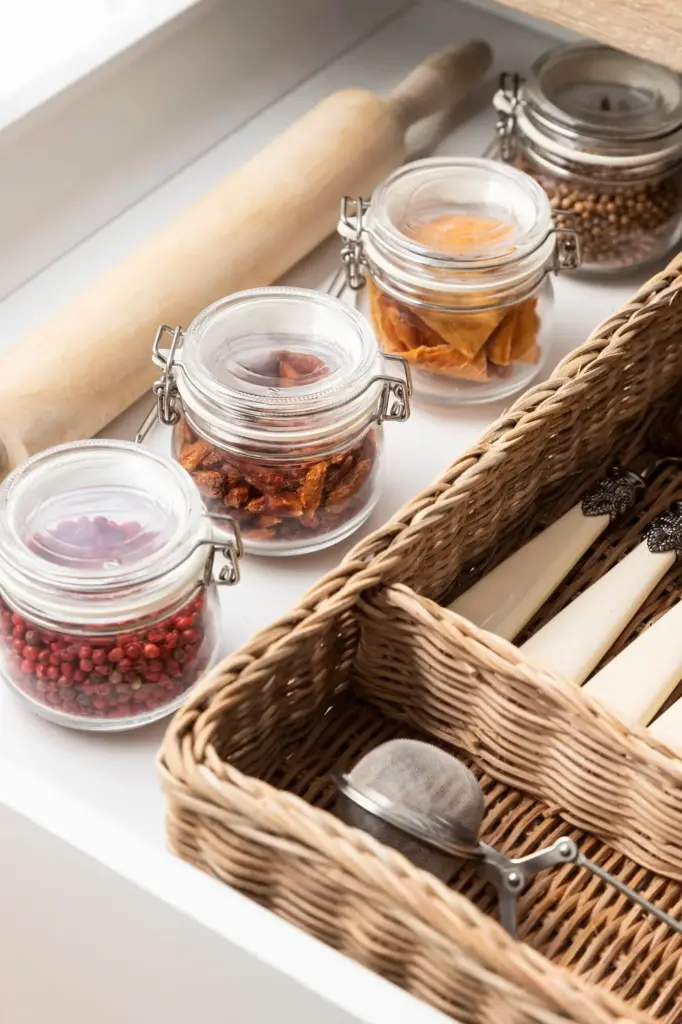
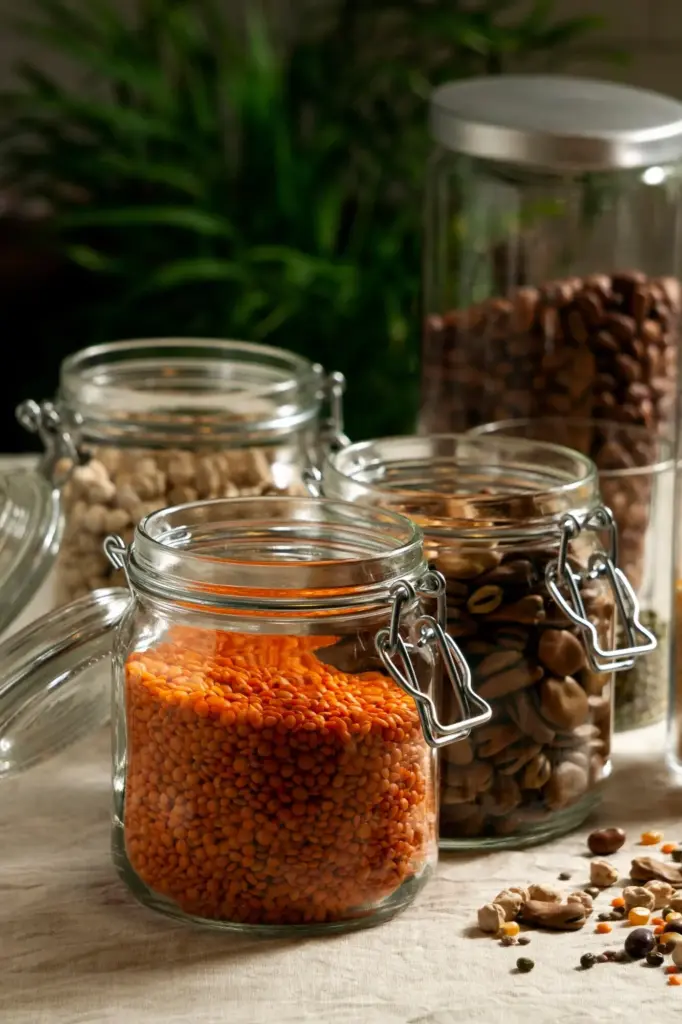
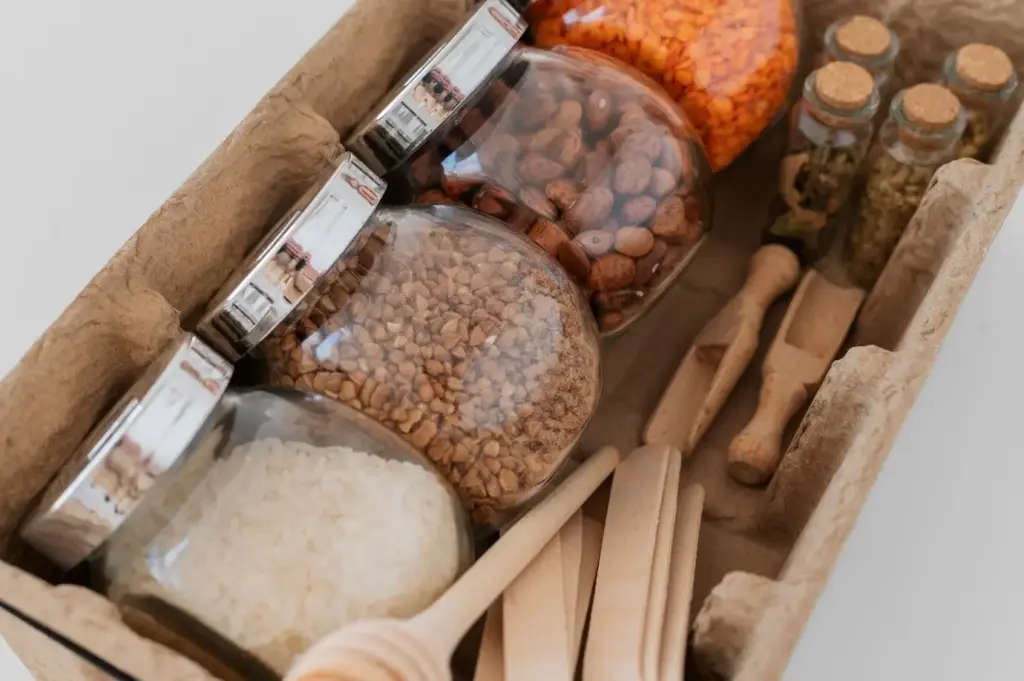
Bulk sections let you skip tiny plastic packets for spices, grains, nuts, and legumes. Bring lightweight jars or cloth bags, label tare weights, and enjoy fresher rotation because stores restock frequently. Anecdotally, households see fewer pantry duplicates and surprise purchases, since refilling focuses attention on what truly runs low instead of what shiny packaging suggests you need.

Reusable Wraps and Containers

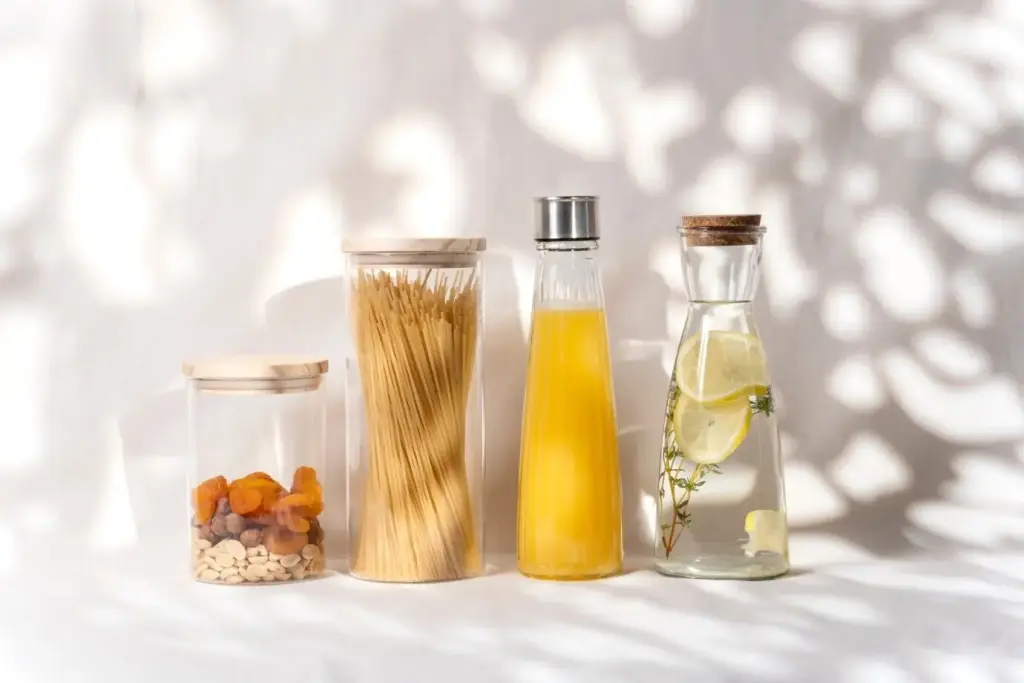
Reusable beeswax wraps, silicone lids, and sturdy glass containers keep leftovers fresh without crinkly film or flimsy tubs that warp. Start with one wrap set and two stackable containers, then note how often they prevent food waste by improving visibility. Photograph a week of lunches and compare how much plastic you avoid versus last month’s routine.

Bathroom Rituals Reinvented

Personal care generates surprising amounts of plastic through pumps, tubes, and trial sizes. Thoughtful substitutions—bars, refills, and modular tools—can feel luxurious while reducing clutter. A calmer, simpler shelf supports consistent habits. Small upgrades often deliver better ingredients, fewer irritants, and a satisfying ritual that feels intentional rather than automatic or dictated by disposable packaging norms.

Shampoo Bars and Concentrates

Modern shampoo bars lather richly, travel easily, and come in minimal paper. Concentrates cut water weight, making transport lighter and emissions lower. Test two formulas, record scalp comfort, and see whether a bar lasts longer than your bottled routine. Many readers find better fragrance and fewer residues, which reduces the need for extra products like clarifying rinses.

Plastic-Free Dental Care

Bamboo brushes, refillable floss in glass vials, and toothpaste tabs reduce bathroom plastics without sacrificing effectiveness. Ask your dentist about soft bristles and remineralizing formulas. Keep a travel tin in your bag and share a picture next to a hotel sink. These moments normalize alternatives and gently invite others to question why so many packages are single-use.

Refillable Razors and Shaving Techniques

A safety razor with recyclable blades often delivers closer shaves and a calmer skin barrier. Practice short, gentle strokes, use a brush with solid soap, and let the blade’s weight do the work. Track costs for six months; many switchers report substantial savings and fewer irritated patches, proving that durable tools can outperform flashy, plastic-heavy cartridges quite easily.

On-the-Go Habits for Commuters

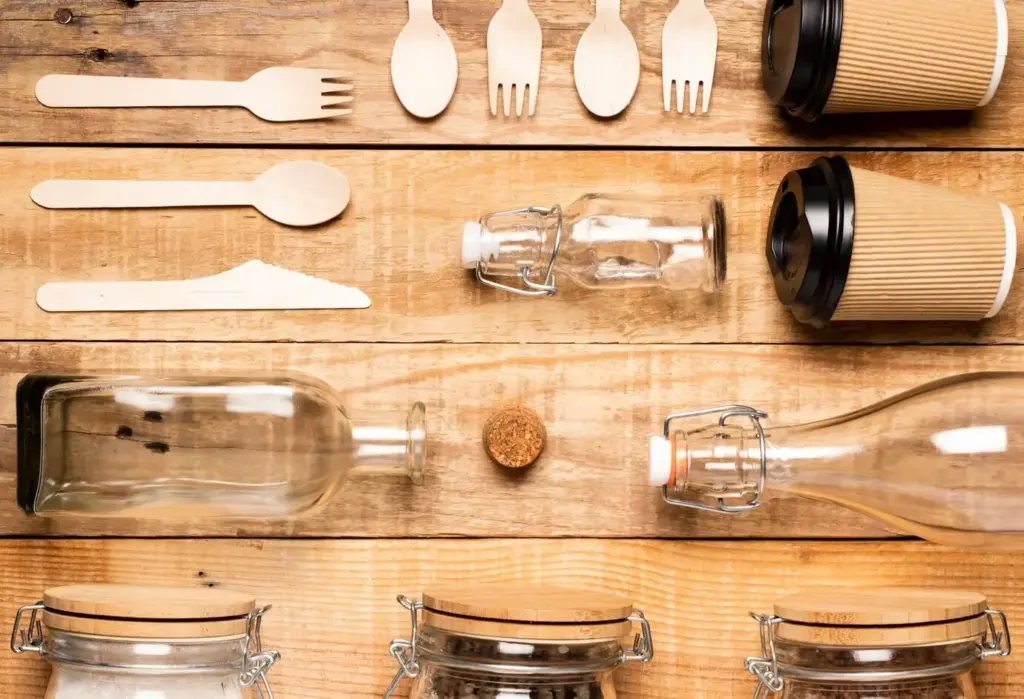
Busy days tempt us toward disposable bottles, snack wrappers, and impulse purchases. Preparing small kits makes it simple to refuse unnecessary packaging. The goal is not perfection, but readiness: a bottle, cup, utensils, and a compact tote. With practice, you’ll anticipate needs, avoid panic buys, and feel quietly proud of practical, repeatable prevention rather than last-minute reaction.

Shopping Smarter, Packaging Lighter

Thoughtful purchasing is powerful. Look beyond labels to container design, material recyclability, and retailer take-back programs. Consider durability and repairability, not just price. By voting with your cart and your feedback emails, you nudge companies toward better packaging and longer-lasting goods. The ripple effect extends through supply chains, cutting waste where it begins: design decisions and defaults.

Cleaning Without the Plastic Footprint

Home care routines often hide plastic across spray bottles, wipes, and microfiber shedding. Refill systems, concentrates, and sturdy tools simplify cabinets and reduce waste. The result is a calmer closet and clearer air. When labels shrink and scents soften, cleaning feels more grounded, like a craft focused on results, not colorful packaging or the illusion of instant perfection.

Concentrated Cleaners and Tablets

Dissolvable tablets and concentrated liquids eliminate heavy single-use bottles. Reuse a spray bottle, add water at home, and track how long a refill lasts. Many readers report fewer accidental over-sprays and lower monthly costs. Share your favorite formulas and dilution tips in the comments so newcomers avoid trial-and-error fatigue and feel confident right from the first mix.

DIY Solutions with Vinegar and Citrus

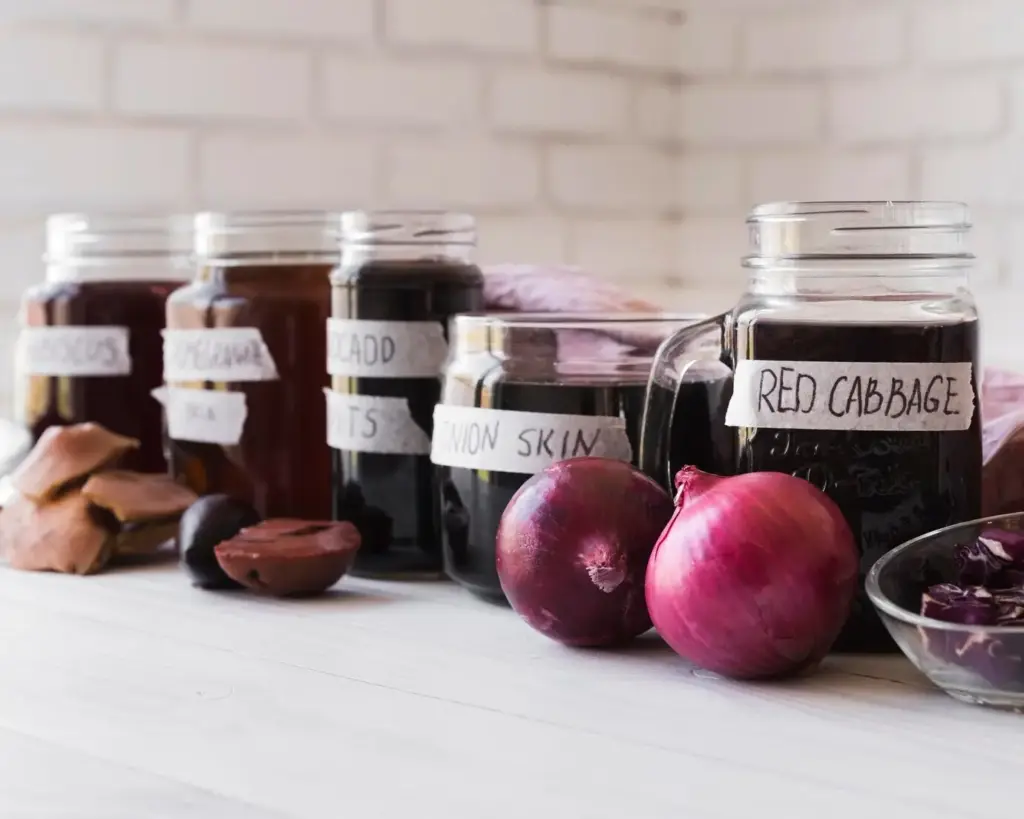
Simple blends of vinegar, citrus peels, and baking soda handle countless chores. Infuse peels in vinegar for a mellow scent, then strain and dilute for glass, counters, and fixtures. Label jars clearly and store out of direct sun. Invite neighbors to a weekend swap, sharing recipes and reusable bottles that turn cleaning into a supportive, low-waste community practice.

Tools That Last: Brushes, Cloths, Buckets

Wood-handled brushes with replaceable heads, woven cotton cloths, and sturdy buckets outlive plastic-heavy kits. Rinse bristles, hang to dry, and launder cloths without fabric softener for better absorption. Keep sets dedicated by room to maintain hygiene and extend life. Over a year, durability saves money, reduces trash, and makes routines feel dependable, intentional, and pleasingly simple.

Hosting and Gifting the Low-Waste Way
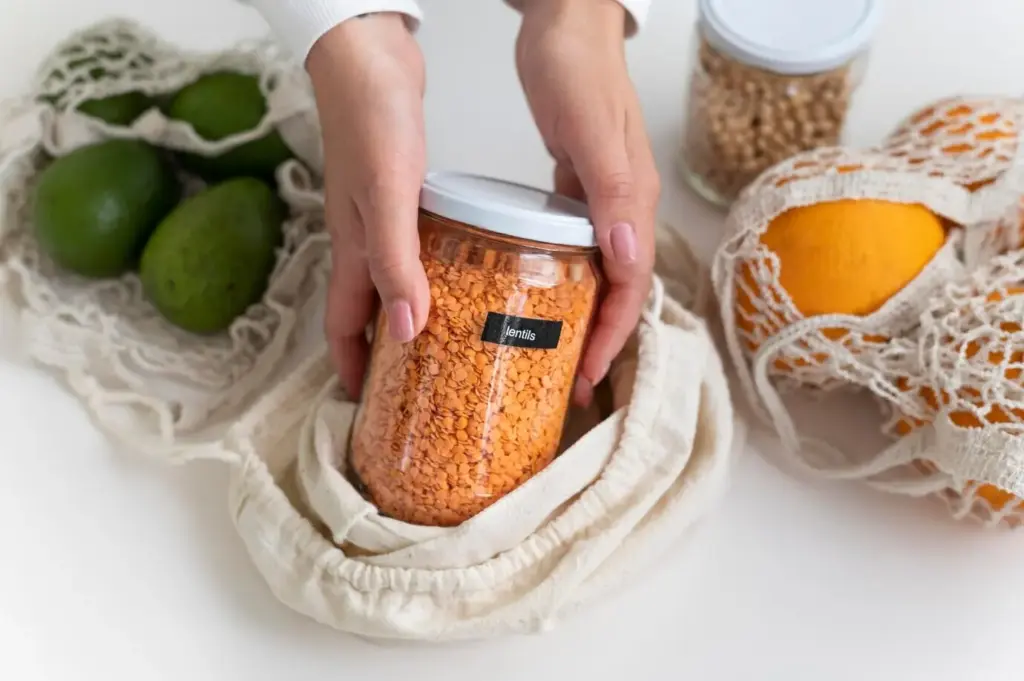
Celebrations often overflow with disposable cutlery, cups, and glossy wrap. Planning ahead makes reuse easy and charming. Mix-and-match plates add character, cloth napkins elevate the table, and bulk beverages cut bottles. Thoughtful favors feel more memorable than plastic trinkets. Guests notice the atmosphere of care, and many leave inspired to try similar touches at their next gathering.

Mindset, Community, and Lasting Momentum

{{SECTION_SUBTITLE}}
Tracking Progress Without Perfection
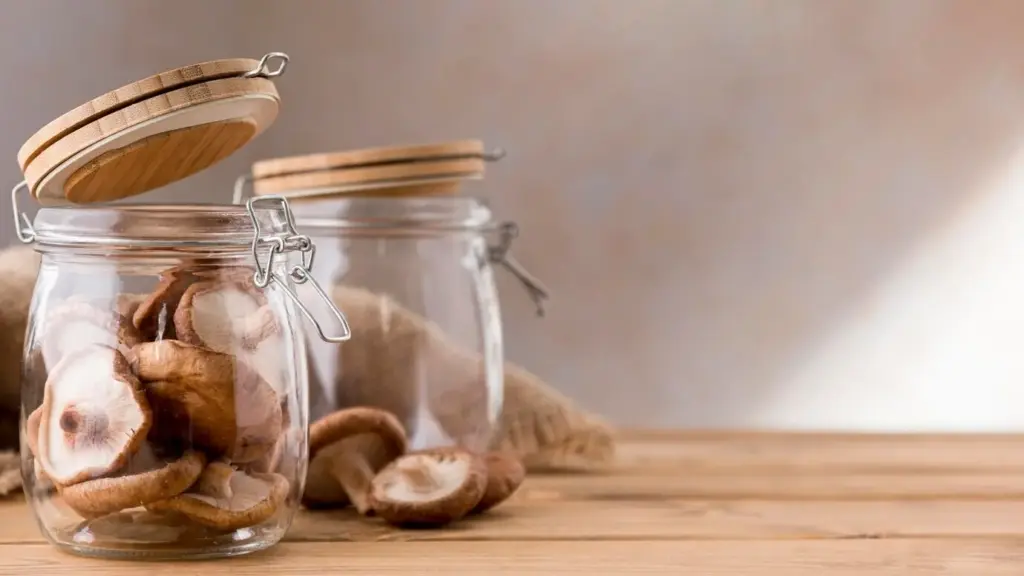
Use a simple checklist or monthly photo collage to capture swaps you’ve tried, noting savings, satisfaction, and surprises. Celebrate partial wins, like remembering your bottle four days out of five. Reflection reveals patterns and helps you prioritize the next easy improvement. Share your tracker template with readers who prefer gentle accountability over rigid rules or competitive metrics.

Starting Conversations Kindly

When friends ask why your lunch comes in glass, answer with curiosity and personal stories rather than lectures. Offer to lend a container or point to a refillery. People change when they feel respected and supported. Small invitations, consistent modeling, and patient listening turn curiosity into action faster than criticism ever could, especially in busy, real-world contexts.
Zimunexizunafe
Privacy Overview

This website uses cookies so that we can provide you with the best user experience possible. Cookie information is stored in your browser and performs functions such as recognising you when you return to our website and helping our team to understand which sections of the website you find most interesting and useful.